Category: Uncategorized

  • Deep Tissue Home Massage for Muscle Recovery

    Deep Tissue Home Massage for Muscle Recovery

    Deep Tissue Home Massage for Muscle Recovery in Bali

    Massage for Muscle Recovery becomes especially valuable when sore muscles, stiffness, and physical fatigue start affecting your daily routine. After a long day exploring Bali, an intense workout, surfing session, hiking trip, or simply spending hours on your feet, the last thing you may want is another trip across town to find a massage therapist. A professional treatment at your accommodation can be a much more practical solution.

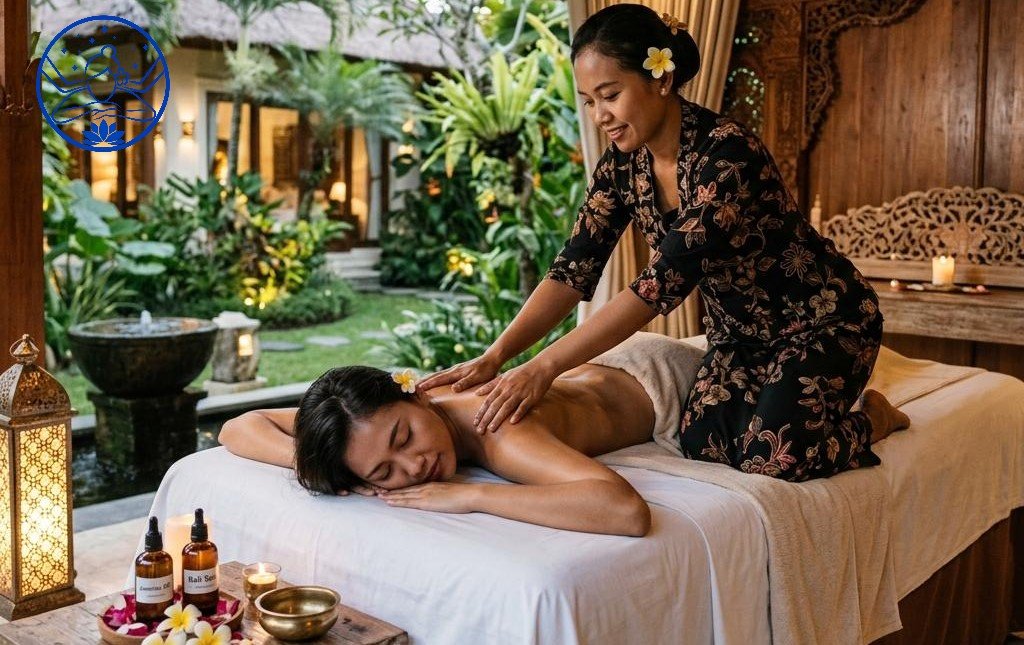
    Deep tissue home massage in Bali for muscle recovery after exercise, surfing, hiking, and physical activity

    Why Home Service Massage Bali Is a Practical Choice for Muscle Recovery

    Home Service Massage Bali brings the treatment directly to your villa, hotel, apartment, or other suitable accommodation. For travelers and residents who want Massage for Muscle Recovery, this approach removes unnecessary travel after physical activity and allows you to rest immediately after the session.

    The practical advantage is simple. Instead of driving through Bali traffic while your muscles are already tired, you can prepare a comfortable space, receive your treatment, shower if needed, and continue resting without another journey.

    For people looking specifically for Home Massage Bali, the experience can also feel more personal. The therapist can focus on areas that are actually causing discomfort rather than following a standard routine without considering your activity level.

    What Deep Tissue Massage Can Do for Muscle Recovery

    Deep tissue massage uses deliberate pressure and slower techniques to work through areas of muscular tension. It is commonly chosen by people who experience persistent tightness after exercise, physical work, travel, or repetitive movement.

    The goal of Massage for Muscle Recovery is not simply to provide strong pressure. Effective treatment depends on choosing the appropriate pressure, identifying areas of tension, and adjusting the session according to how your body responds.

    A good session should feel purposeful rather than unnecessarily painful.

    Reducing the Feeling of Muscle Tightness

    One of the most common reasons people book Massage for Muscle Recovery is the feeling that a particular muscle has become tight or restricted.

    This can happen after strength training, running, cycling, swimming, surfing, hiking, or long periods of sitting. A targeted massage may help you feel less restricted and more comfortable when moving.

    The therapist can concentrate on areas such as the calves, thighs, glutes, lower back, shoulders, and upper back depending on your needs.

    Supporting Post Exercise Comfort

    After exercise, muscles can feel heavy and fatigued. Many people use Massage for Muscle Recovery as part of their post exercise routine because massage can provide a feeling of relaxation and reduced muscular tension.

    Timing matters. A very aggressive treatment immediately after unusually intense exercise may not be comfortable. In practice, communication with the therapist is more important than simply asking for maximum pressure.

    Improving Relaxation After Physical Activity

    Recovery is not only about muscles. Sleep and relaxation are also important parts of a sensible recovery routine.

    A professional Massage for Muscle Recovery session at your accommodation can create a transition between an active day and a more relaxed evening. This is particularly useful in Bali when your day has included sightseeing, water activities, long walks, or outdoor adventures.

    Why Home Massage Bali Works Well for Travelers

    Bali is a destination where people often combine several physical activities in one day.

    You might spend the morning surfing, walk around a cultural attraction in the afternoon, and then explore restaurants or nightlife in the evening. By the end of the day, your legs, shoulders, or lower back may feel considerably more tired than expected.

    This is where Home Massage Bali becomes convenient.

    Rather than adding another destination to your schedule, you can arrange Massage for Muscle Recovery at your accommodation. The session can fit naturally into your itinerary without requiring additional transportation.

    A Better Option After Surfing

    Surfing can place repeated demands on the shoulders, upper back, arms, hips, and legs. Beginners may also experience unfamiliar muscle fatigue because surfing requires movements that are not part of their normal routine.

    For surfers searching for Massage for Muscle Recovery, a therapist can concentrate on the areas that received the most workload.

    Tell the therapist what you did that day. Saying that you surfed for two hours gives useful context that can help the therapist determine where to focus and how much pressure may be appropriate.

    Useful After Hiking and Long Walks

    Bali offers many opportunities for walking and hiking. Long routes, stairs, uneven terrain, and elevation changes can leave the calves, quadriceps, hamstrings, and feet feeling tired.

    A Massage for Muscle Recovery session can be arranged after the activity so you do not have to travel again while feeling exhausted.

    For travelers staying in villas or hotels, this is one of the strongest practical advantages of Home Massage Bali.

    How a Professional Muscle Recovery Session Should Work

    A quality massage should begin with communication.

    Before the treatment starts, explain where you feel tension, what physical activity you completed, whether you are accustomed to deep pressure, and whether there are areas you want the therapist to avoid.

    This information is particularly important for Massage for Muscle Recovery because every recovery situation is different.

    Step One: Discuss Your Activity

    Tell the therapist what happened before the appointment.

    For example, you might say that you completed a gym workout that focused on your legs, spent several hours surfing, or walked around Bali for most of the day.

    This allows the therapist to understand the context rather than treating your body as though every appointment were identical.

    Step Two: Identify Priority Areas

    You do not necessarily need a full body deep tissue treatment.

    If your main problem is tight calves after hiking, spending most of the session working aggressively on your shoulders may not provide the experience you actually wanted.

    A more practical Massage for Muscle Recovery session prioritizes the areas that matter most to you.

    Step Three: Adjust Pressure During the Session

    Deep tissue does not mean maximum pressure from beginning to end.

    Some areas may tolerate firm pressure while other areas may require a gentler approach. If pressure feels sharp, excessively painful, or uncomfortable, communicate immediately.

    The best Massage for Muscle Recovery experience is based on appropriate pressure rather than a competition to tolerate pain.

    Step Four: Rest After Treatment

    Avoid immediately returning to intense physical activity if your body feels tired after the massage.

    Drink water according to your normal needs, relax, and allow yourself some downtime. If you have another activity planned, consider whether your body actually needs additional rest.

    Realistic Example: A Traveler Recovering After a Busy Bali Day

    Consider a traveler staying in a private villa who spends the morning surfing, walks through a tourist area in the afternoon, and then returns to the villa with tight shoulders and tired legs.

    The traveler could spend another hour traveling to a massage location, wait for the treatment, and then travel back.

    With Home Massage Bali, the same traveler can arrange Massage for Muscle Recovery at the villa.

    Before the session, the traveler explains that the shoulders feel tight from surfing while the legs feel tired from walking. The therapist can then prioritize the shoulders, upper back, calves, and legs instead of applying identical pressure everywhere.

    After the session, there is no additional journey.

    This example reflects why Massage for Muscle Recovery is often more appealing when convenience is part of the recovery goal.

    Practical Tips Before Booking Massage for Muscle Recovery

    Choosing the right session is easier when you provide useful information before the therapist arrives.

    Tell the Therapist What You Did

    Do not simply say that you are sore.

    Explain whether the soreness followed weight training, running, cycling, surfing, hiking, swimming, travel, or long hours of sitting.

    This information helps make Massage for Muscle Recovery more targeted.

    Mention Areas That Are Sensitive

    If your lower back, knees, shoulders, calves, or another area is sensitive, tell the therapist before treatment begins.

    Good communication can make the session more comfortable and prevent unnecessary pressure on an area you would rather avoid.

    Do Not Assume More Pressure Means Better Results

    This is one of the most useful insights when booking Massage for Muscle Recovery.

    A deeper sensation is not automatically a better treatment. Excessive pressure can make a session unpleasant and may leave you feeling more uncomfortable afterward.

    The objective should be effective muscular work that remains within a tolerable and appropriate level.

    Avoid Booking Based Only on Price

    Price matters, particularly for longer sessions or multiple bookings, but it should not be the only consideration.

    For Home Massage Bali, look at the service information, therapist experience, treatment options, communication quality, customer feedback, availability, and whether the service clearly explains what is included.

    When Deep Tissue Massage May Not Be the Right Choice

    Deep tissue massage is not suitable for every situation.

    If you have a recent serious injury, unexplained swelling, severe pain, fever, an open wound, or another significant medical concern, massage may not be appropriate without professional medical guidance.

    Someone experiencing sudden or severe pain should not assume that massage is the solution simply because the discomfort is located in a muscle.

    For ordinary post activity muscle tension, Massage for Muscle Recovery may be a useful wellness option. However, massage should complement sensible recovery habits rather than replace medical assessment when symptoms are concerning.

    How Often Should You Book Massage for Muscle Recovery?

    There is no universal schedule that works for everyone.

    Someone who exercises several times per week may prefer regular sessions, while an occasional traveler may only book Massage for Muscle Recovery after particularly demanding activities.

    Your activity level, recovery routine, personal preference, and response to massage all matter.

    Instead of automatically booking the strongest treatment as frequently as possible, pay attention to how your body feels during and after each session.

    Choosing the Right Home Massage Bali Service in Bali

    When searching for Home Massage Bali, convenience should be combined with professional service.

    Check whether the provider clearly explains the treatment, service area, appointment process, session duration, and therapist availability.

    For Massage for Muscle Recovery, it is also useful to confirm whether deep tissue treatment is available and whether you can discuss your specific recovery needs before the session.

    What to Check Before Your Appointment

    Look for clear information about:

    • Therapist availability

    • Treatment duration

    • Service location

    • Massage style

    • Booking process

    • Communication before arrival

    • Customer reviews

    • Payment information

    • Cancellation conditions

    A transparent provider makes the booking process easier and gives you a better idea of what to expect.

    Preparing Your Room for Home Massage Bali

    You do not need a complicated setup.

    Choose a private, comfortable area with enough space for the therapist to work safely. Keep the room at a comfortable temperature and remove unnecessary objects from the treatment area.

    If you are staying at a hotel or villa, make sure the property permits in room massage services.

    A clean and quiet environment can make Home Massage Bali feel considerably more relaxing.

    What to Do After Massage for Muscle Recovery

    After Massage for Muscle Recovery, give yourself time to assess how your body feels.

    Avoid immediately scheduling another demanding physical activity if you feel tired. A relaxed evening, normal hydration, and adequate sleep can complement the massage experience.

    If you are traveling, this can be particularly useful because your body may already be dealing with unusual amounts of walking, heat, physical activity, and changes in your normal routine.

    Frequently Asked Questions About Massage for Muscle Recovery

    Is deep tissue massage good for muscle recovery?

    Deep tissue massage can be a useful wellness option for people experiencing muscular tightness and post activity discomfort. Massage for Muscle Recovery should be adjusted according to the person’s activity, comfort level, and individual needs.

    How long should Massage for Muscle Recovery take?

    The appropriate duration depends on how many areas require attention. A shorter session may be suitable when you have one priority area, while a longer session can provide more time for several muscle groups.

    Is Home Massage Bali available at hotels and villas?

    Many providers offer Home Massage Bali services at suitable hotels, villas, apartments, and private accommodations. Availability depends on the provider, location, therapist schedule, and booking time.

    Is deep tissue massage supposed to hurt?

    Deep tissue massage can feel firm, but it should not require you to tolerate severe or sharp pain. During Massage for Muscle Recovery, communicate with the therapist if the pressure becomes uncomfortable.

    Can I get a massage after surfing in Bali?

    Many travelers choose Massage for Muscle Recovery after surfing because surfing can place considerable demand on the shoulders, back, arms, hips, and legs. Tell the therapist about your surfing session so the treatment can be adjusted appropriately.

    Should I book a massage immediately after intense exercise?

    It depends on the intensity of the activity and how you feel. If you are extremely fatigued or experiencing significant pain, a gentler approach or additional rest may be more appropriate than an aggressive treatment.

    Why Massage for Muscle Recovery Is Worth Considering in Bali

    The most practical benefit is often not simply the massage itself. It is the combination of targeted treatment and convenience.

    You can finish a demanding day, return to your accommodation, and arrange Massage for Muscle Recovery without adding unnecessary travel.

    For visitors searching for Home Massage Bali, this can make a meaningful difference to the overall experience of a Bali trip.

    A good session should also feel personalized. Your activities, areas of tension, preferred pressure, and comfort should influence how the treatment is delivered.

    Book Home Massage Bali for Your Recovery Routine

    If sore muscles and physical fatigue are making it harder to enjoy your Bali trip, Massage for Muscle Recovery can be a convenient addition to your wellness routine.

    Whether you have spent the day surfing, hiking, exercising, sightseeing, or simply dealing with the physical demands of travel, an in accommodation treatment allows you to focus on recovery without another trip across Bali.

    Choose a professional Home Massage Bali service, communicate your needs clearly, and select a treatment that matches your current condition rather than simply choosing the strongest available pressure.

    For travelers who value convenience, privacy, and a personalized treatment experience, Massage for Muscle Recovery at your hotel or villa can be a practical way to end an active Bali day.

    Ready to arrange your treatment? Visit Official Website to learn more about the available Home Massage Bali services, treatment options, and booking information, then Check Availability before selecting your preferred appointment time.

  • Traditional Balinese Home Massage Benefits and Techniques

    Traditional Balinese Home Massage Benefits and Techniques

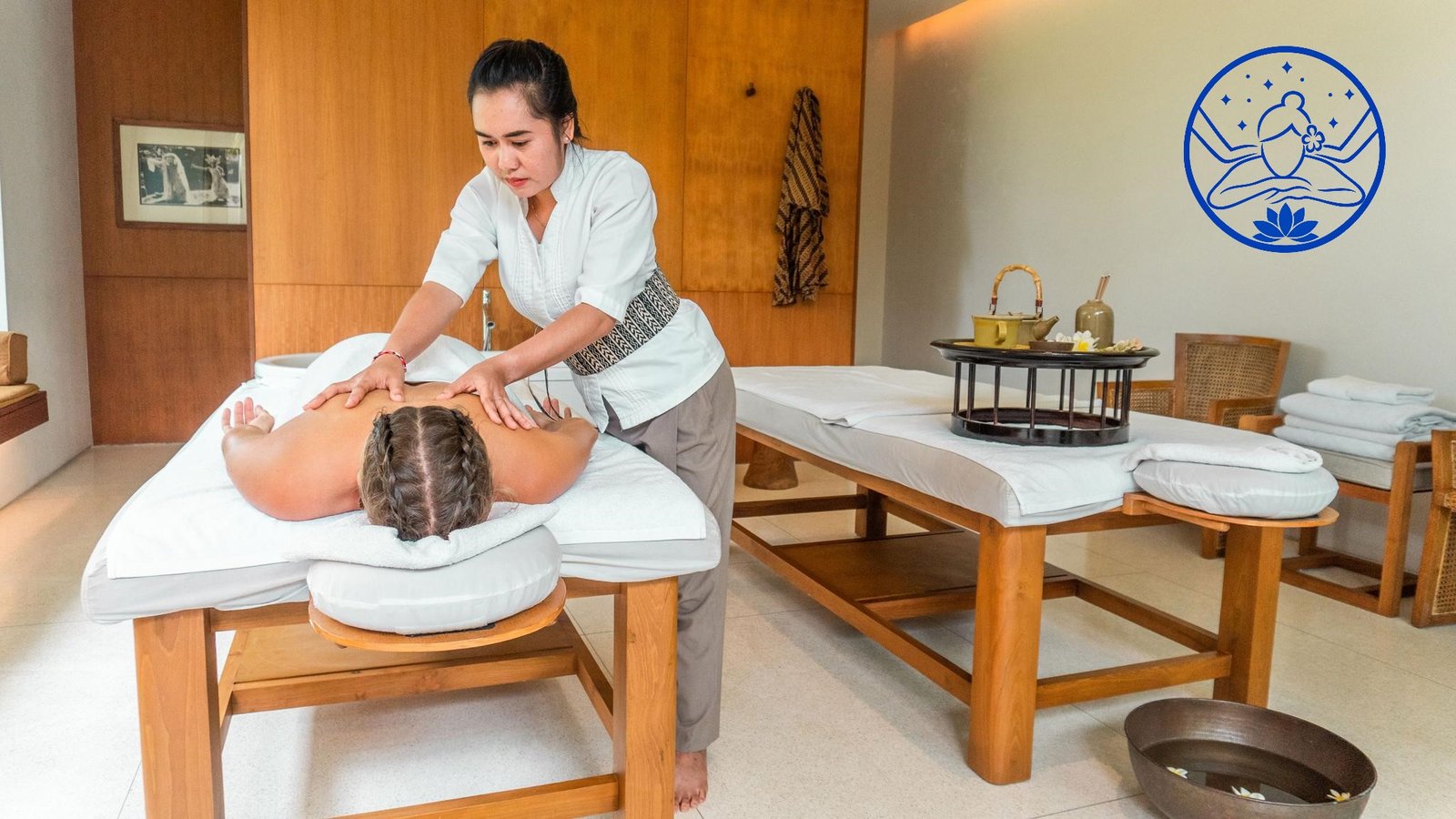
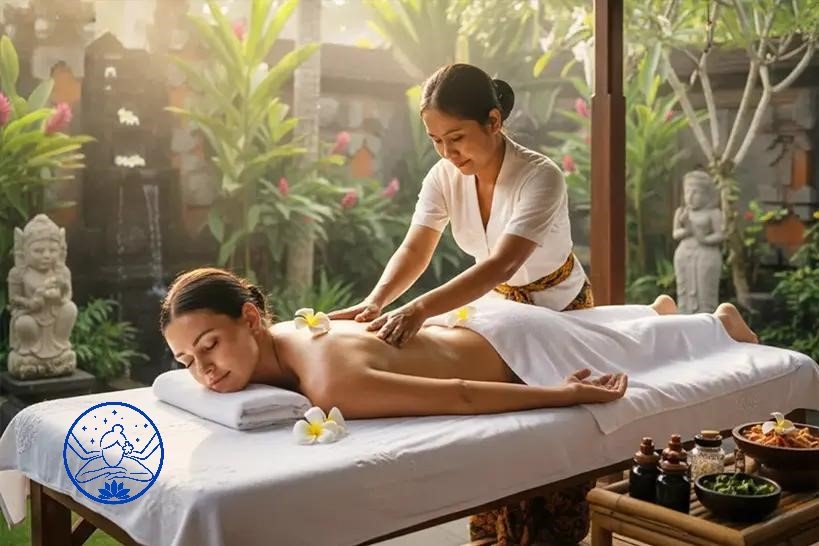
    Traditional Balinese home massage and lymphatic services in Bali with a peaceful wellness logo

    Traditional Balinese Home Massage Services can be especially helpful when your body feels heavy after a long flight, your shoulders are tight from carrying luggage, your legs feel tired after exploring Bali, or you simply want professional bodywork without spending another hour travelling to a spa. The biggest practical advantage is simple: the treatment comes to your villa, hotel, or home, allowing you to relax before and after the session.

    Why Home Massage Lymphatic Bali Can Be a Better Choice in Bali

    For many visitors, the problem is not finding a massage in Bali. Massage services are everywhere. The real challenge is choosing a treatment that matches what your body needs and finding a therapist who understands the difference between relaxation massage, traditional Balinese massage, and gentle lymphatic work.

    Traditional Balinese Home Lymphatic Services offer a convenient approach for people who want the comfort of a private setting while still enjoying structured professional treatment. Instead of rushing through traffic after a massage, you can remain in your villa and continue resting.

    This matters even more after a full day of sightseeing, surfing, hiking, shopping, or travelling between destinations. Your body has already been working. Adding another trip across Bali simply to reach a spa may not be the relaxing experience you expected.

    A professional home session also gives the therapist an opportunity to focus on your actual needs. Some guests need firm work around the shoulders and back. Others prefer gentle movements because they feel tired, puffy, or physically sensitive after travelling.

    That is where Balinese home massage becomes more than a convenient alternative to a spa. When the treatment is properly adapted, the experience can feel much more personal.

    What Makes Traditional Balinese Massage Different?

    Traditional Balinese massage is not simply a stronger version of a Western relaxation massage. The technique commonly combines flowing strokes, kneading, pressure using the palms and thumbs, acupressure, gentle stretching, and aromatic oils. Indonesian vocational education sources also distinguish Balinese massage from Javanese massage by its technique, purpose, and use of aromatherapy oils.

    In practical terms, a good session should feel like a sequence rather than a collection of random massage movements.

    The therapist may begin with broad strokes to warm the body. Pressure can then become more focused around areas such as the shoulders, lower back, hips, calves, or feet. Gentle stretching may be introduced where appropriate, followed by slower movements to finish the session.

    This combination is one reason traditional Balinese massage remains popular with both residents and visitors.

    However, there is an important distinction when the service includes lymphatic techniques. Traditional massage and manual lymphatic drainage are not the same thing.

    Manual lymphatic drainage uses very gentle, specific movements designed to encourage lymph fluid movement. The National Cancer Institute describes manual lymphatic drainage as gentle massage that helps move lymph fluid through the body, particularly as part of professional lymphedema management.

    Therefore, Traditional Balinese Home Lymphatic Services should not mean simply applying strong pressure and calling it lymphatic massage.

    A knowledgeable practitioner understands when to use flowing Balinese techniques and when lymphatic work requires a much lighter approach.

    Traditional Balinese Home Lymphatic Services: What Happens During a Session?

    The experience usually begins before the actual massage.

    A professional therapist should ask about your preferred pressure, areas of discomfort, recent physical activity, and any relevant health concerns. This short conversation can make a significant difference because there is no universal pressure level that works for everyone.

    For Traditional Balinese Home Lymphatic Services, the therapist should also understand that lymphatic techniques are generally gentle. Cleveland Clinic explains that lymphatic drainage massage uses light, strategic movements to encourage excess fluid toward functioning lymph vessels and lymph nodes.

    1. Preparing the Room

    A home massage does not require a large room.

    A clean, comfortable area with enough space for a professional massage table is usually sufficient. The therapist should bring the necessary equipment, clean linens, towels, and massage products when these are included in the service.

    One practical advantage of home lymphatic massage Bali is that you can prepare the room exactly as you like. You can reduce noise, adjust the temperature, dim the lights, and remove distractions.

    2. Understanding Your Body Before Massage

    The therapist should ask where you feel tension and what kind of experience you want.

    For example, a traveller who spent six hours walking around Ubud may want attention on the feet and legs. Someone who worked remotely from a villa may need more attention around the neck, shoulders, and upper back.

    This consultation helps prevent a common mistake in massage services: following exactly the same routine for every client.

    Traditional Balinese Home Lymphatic Services should be adapted according to the purpose of the appointment.

    3. Flowing Balinese Massage Techniques

    Traditional Balinese techniques may include long strokes, kneading, acupressure, skin rolling, and gentle stretching.

    Long strokes help create a continuous rhythm. Kneading can focus on muscular areas that feel tight. Thumb or palm pressure can be used more precisely, while gentle stretching can support comfortable movement.

    The exact sequence varies between practitioners, which is normal. The quality of the treatment depends less on following a rigid script and more on the therapist’s ability to adjust pressure, pace, and technique.

    4. Gentle Lymphatic Techniques

    Lymphatic work is different.

    The pressure is typically much lighter than traditional deep massage because lymphatic vessels are located relatively close to the surface of the skin. Cleveland Clinic specifically advises using a very light touch for lymphatic self massage rather than pressing deeply into muscle tissue.

    This is an important point for anyone comparing Traditional Balinese Home Lymphatic Services.

    If someone expects lymphatic massage to feel like deep tissue massage, they may incorrectly assume that stronger pressure means better results. It does not.

    A professional approach focuses on controlled, gentle movements rather than trying to force fluid through the body.

    Key Benefits of Traditional Balinese Home Lymphatic Services

    The benefits depend on the individual, the technique used, and the reason for booking the treatment.

    Relaxation After Travel

    Long flights, airport transfers, unfamiliar beds, and busy itineraries can leave the body feeling exhausted.

    Traditional Balinese Home Lymphatic Services can provide a convenient opportunity to slow down without adding another journey to your schedule.

    You can finish your session and remain in your accommodation rather than immediately returning to traffic.

    Relief From Everyday Muscle Tension

    Traditional Balinese massage can be useful when everyday activities create muscular tension.

    Common examples include long periods sitting at a laptop, carrying luggage, walking extensively, riding a scooter, or spending hours in an airplane.

    A therapist can adjust the session around these areas rather than treating the entire body with identical pressure.

    A More Comfortable Post Travel Experience

    Some travellers experience a temporary feeling of heaviness or puffiness after prolonged sitting.

    Gentle movement and appropriate massage may feel comfortable for some people, but persistent swelling should not automatically be treated as a massage problem.

    Cleveland Clinic notes that lymphatic drainage massage can be used for swelling associated with lymphedema and certain medical conditions, but it is not appropriate for everyone.

    That distinction is essential for responsible Traditional Balinese Home Lymphatic Services.

    Convenience and Privacy

    The practical benefit of home massage Bali is often underestimated.

    There is no waiting room, no additional transportation, and no need to organise your schedule around a spa appointment across town.

    For couples, families, honeymoon travellers, or guests staying in private villas, this can make the overall wellness experience much easier.

    A More Personal Treatment

    A home setting can also encourage clearer communication.

    You can tell your therapist that your shoulders need more attention, your legs feel sensitive, or you prefer lighter pressure.

    The objective is not to tolerate discomfort. The objective is to receive an appropriate treatment.

    Traditional Balinese Home Lymphatic Services Versus Traditional Massage

    These treatments can complement each other, but they should not be treated as identical.

    Traditional Balinese massage generally offers a broader full body experience with flowing movements, pressure, kneading, stretching, and aromatherapy.

    Lymphatic drainage is much more specific in its technique and pressure.

    For people seeking relaxation and muscular comfort, a traditional Balinese session may be the better fit.

    For someone dealing with diagnosed lymphedema or medically significant swelling, massage should be approached differently. The National Cancer Institute explains that complete decongestive therapy for lymphedema can include manual lymphatic drainage, compression, exercise, and skin care under professional guidance.

    This means Traditional Balinese Home Lymphatic Services should never be marketed as a replacement for medical care.

    If swelling is persistent, painful, sudden, or associated with a medical condition, consult a qualified healthcare professional before booking a lymphatic treatment.

    Who Can Benefit From a Home Session?

    Traditional Balinese Home Lymphatic Services may appeal to several types of visitors.

    Travellers After a Long Flight

    Sitting for hours can leave you feeling stiff and uncomfortable. A gentle wellness session at your accommodation can be an easy way to transition into holiday mode.

    Guests With Busy Bali Itineraries

    If your day includes temples, beaches, restaurants, shopping, and sightseeing, your body may appreciate a quieter evening.

    Booking Balinese massage at home means the recovery part of your day does not require additional travel.

    Remote Workers

    Laptop work often creates tension around the neck, shoulders, upper back, and wrists.

    A therapist can focus on these areas while keeping the session relaxing rather than excessively intense.

    Couples and Families

    A private setting can make scheduling easier, particularly when several people want treatments during the same stay.

    Traditional Balinese Home Lymphatic Services can be arranged as part of a wider wellness experience, depending on the provider’s treatment options and therapist availability.

    A Practical Experience: What Good Massage Feels Like

    One of the clearest differences between an average session and a professional one is communication.

    A good therapist does not simply start applying pressure and continue for the entire appointment without checking your comfort.

    Instead, the therapist observes your response.

    If your shoulders are extremely tense, the therapist may slow down before increasing pressure. If your muscles become sensitive, the technique can be adjusted. If you prefer a relaxing session, there is no reason to turn it into an endurance test.

    This is particularly important with Traditional Balinese Home Lymphatic Services because lymphatic work requires a different touch from deep tissue techniques.

    The goal should always be appropriate treatment rather than maximum pressure.

    Practitioner Tips for Getting Better Results

    Tell Your Therapist What You Actually Need

    Do not simply say, “medium pressure” and leave it there.

    Explain what you have been doing that day.

    For example, tell the therapist if you spent the day surfing, walking, working on a laptop, riding a scooter, or travelling.

    This information helps the practitioner understand why particular areas may feel tight.

    Do Not Wait Until the Massage Is Over

    If the pressure is uncomfortable, say so immediately.

    If you want more attention around your shoulders, mention it.

    Professional massage should be collaborative. Communication is part of the treatment.

    Hydrate Normally

    After a massage, continue drinking fluids according to your normal needs.

    Cleveland Clinic also recommends staying hydrated after lymphatic self massage and notes that some people can experience temporary fatigue, headache, or nausea.

    Avoid Treating Medical Symptoms as Simple Spa Problems

    This is one of the most important recommendations for anyone considering Traditional Balinese Home Lymphatic Services.

    Massage is not a diagnostic service.

    Cleveland Clinic advises avoiding lymphatic drainage massage in situations including blood clots, deep vein thrombosis, infection, fever, certain heart conditions, kidney failure, and stroke.

    If you have a medical condition, recent surgery, unexplained swelling, or another concern, ask your healthcare provider whether massage is appropriate.

    How to Choose Traditional Balinese Home Lymphatic Services in Bali

    Not every massage provider offers the same standard.

    Before booking, consider five practical factors.

    Check the Treatment Description

    The provider should clearly explain whether you are booking traditional Balinese massage, lymphatic drainage, or a combination.

    Vague descriptions make it difficult to know what you are actually purchasing.

    Ask About Therapist Experience

    Ask whether the therapist has specific training in lymphatic techniques if that is the main reason for your booking.

    A therapist experienced in traditional massage is not automatically trained in clinical lymphatic care.

    Confirm What Comes to Your Accommodation

    A professional home service should explain whether the therapist brings the massage table, linens, towels, and oils.

    This removes uncertainty before the appointment.

    Confirm the Service Area

    Bali is large, and travel time can vary considerably between areas.

    Ask whether the provider covers your villa or hotel location and whether there are additional travel charges.

    Read Reviews Carefully

    Do not only look at the star rating.

    Read comments about therapist professionalism, punctuality, cleanliness, communication, pressure control, and the actual quality of the massage.

    These details are often more useful than a simple rating.

    Traditional Balinese Home Lymphatic Services for a Villa Wellness Day

    A home massage can also become part of a larger wellness routine.

    For example, you could begin the morning with light activity, spend the afternoon relaxing at your villa, and schedule a massage later in the day.

    Couples can book treatments around dinner plans. Families can arrange sessions around their children’s schedules. Remote workers can finish their workday and transition directly into relaxation.

    The advantage of private massage Bali is that the experience can be built around your schedule instead of the schedule of a spa.

    Traditional Balinese Home Lymphatic Services can therefore be especially attractive to travellers who value privacy, convenience, and personalised attention.

    Frequently Asked Questions About Traditional Balinese Home Lymphatic Services

    Is Traditional Balinese Massage the Same as Lymphatic Drainage Massage?

    No.

    Traditional Balinese massage commonly combines flowing strokes, kneading, acupressure, stretching, and aromatic oils. Lymphatic drainage uses much lighter and more specific movements designed to encourage lymph fluid movement.

    Traditional Balinese Home Lymphatic Services should clearly distinguish between these techniques rather than treating them as interchangeable.

    Is Lymphatic Massage Supposed to Be Deep?

    No.

    Lymphatic drainage generally uses gentle pressure. Cleveland Clinic explains that lymphatic vessels are superficial and that excessive pressure is not the objective of lymphatic self massage.

    If you want strong muscular pressure, a traditional or therapeutic massage may be more appropriate.

    How Long Does a Traditional Balinese Home Massage Take?

    Many traditional Balinese massage sessions are offered in durations such as 60, 90, or 120 minutes, depending on the provider.

    A 60 minute session can work well for focused relaxation. A longer session provides more time for a full body treatment and additional attention to areas that need it.

    Can I Book Traditional Balinese Home Lymphatic Services at My Villa?

    Yes, many home massage providers in Bali operate directly at villas, hotels, and private residences.

    The practical advantage is that you do not need to travel after the treatment. You can simply continue resting in your accommodation.

    Is Traditional Balinese Massage Good After a Long Flight?

    Many travellers choose massage after travelling because sitting for long periods can leave the body feeling stiff and tired.

    However, massage is not appropriate for every type of swelling or medical condition. If you have unusual or persistent swelling, especially with pain or other symptoms, seek medical advice first.

    What Should I Tell the Therapist Before the Massage?

    Tell the therapist about your preferred pressure, areas of tension, recent physical activity, injuries, pregnancy if applicable, recent procedures, and any health concerns that may affect massage suitability.

    Clear information allows the therapist to make better decisions about pressure and technique.

    How Is Home Massage Different From Going to a Spa?

    The main difference is convenience and privacy.

    With massage service Bali, you travel to the treatment location. With a home service, the therapist travels to you.

    For visitors staying in villas or hotels, the difference can be significant because you can rest immediately after the treatment without arranging another journey.

    Why Traditional Balinese Home Lymphatic Services Can Be a Smart Bali Wellness Choice

    The appeal of Traditional Balinese Home Lymphatic Services is not simply that the therapist comes to your door.

    The real value comes from combining the comfort of a private setting with appropriate massage techniques.

    Traditional Balinese massage can provide a flowing full body experience designed around relaxation and muscular comfort. Lymphatic drainage requires a gentler and more specific approach. Understanding this difference helps you choose the right treatment instead of booking based only on a popular service name.

    A professional experience should begin with communication, continue with appropriate technique, and finish with clear aftercare advice.

    For travellers, the convenience is equally important. After a busy day in Bali, you can return to your villa, prepare a comfortable space, and receive your treatment without another trip across the island.

    Conclusion

    Traditional Balinese Home Lymphatic Services can be an excellent option for travellers who want professional wellness treatment without leaving their accommodation.

    The strongest benefits are convenience, privacy, personalised attention, and access to traditional Balinese massage techniques in a familiar environment.

    At the same time, it is important to understand that traditional Balinese massage and lymphatic drainage are not identical. Traditional Balinese massage may use flowing strokes, kneading, acupressure, and stretching, while lymphatic drainage requires gentle and deliberate movements.

    Choosing the right service starts with understanding your goal.

    If you want relaxation and relief from everyday muscular tension, traditional Balinese home massage may be suitable. If your primary concern involves swelling or a diagnosed lymphatic condition, speak with a healthcare professional and make sure the practitioner has appropriate lymphatic training.

    For visitors looking for a convenient Bali wellness experience, a professional home service can turn an ordinary evening into a much more restorative part of the trip.

    Ready to experience Traditional Balinese Home Lymphatic Services in the comfort of your villa, hotel, or home in Bali? Explore Massage Services that match your needs, choose your preferred treatment and duration, then Make a Reservation for a convenient session at your location.

  • Common Myths About Lymphatic Massage Debunked

    Common Myths About Lymphatic Massage Debunked

    What You Really Need to Know in Bali

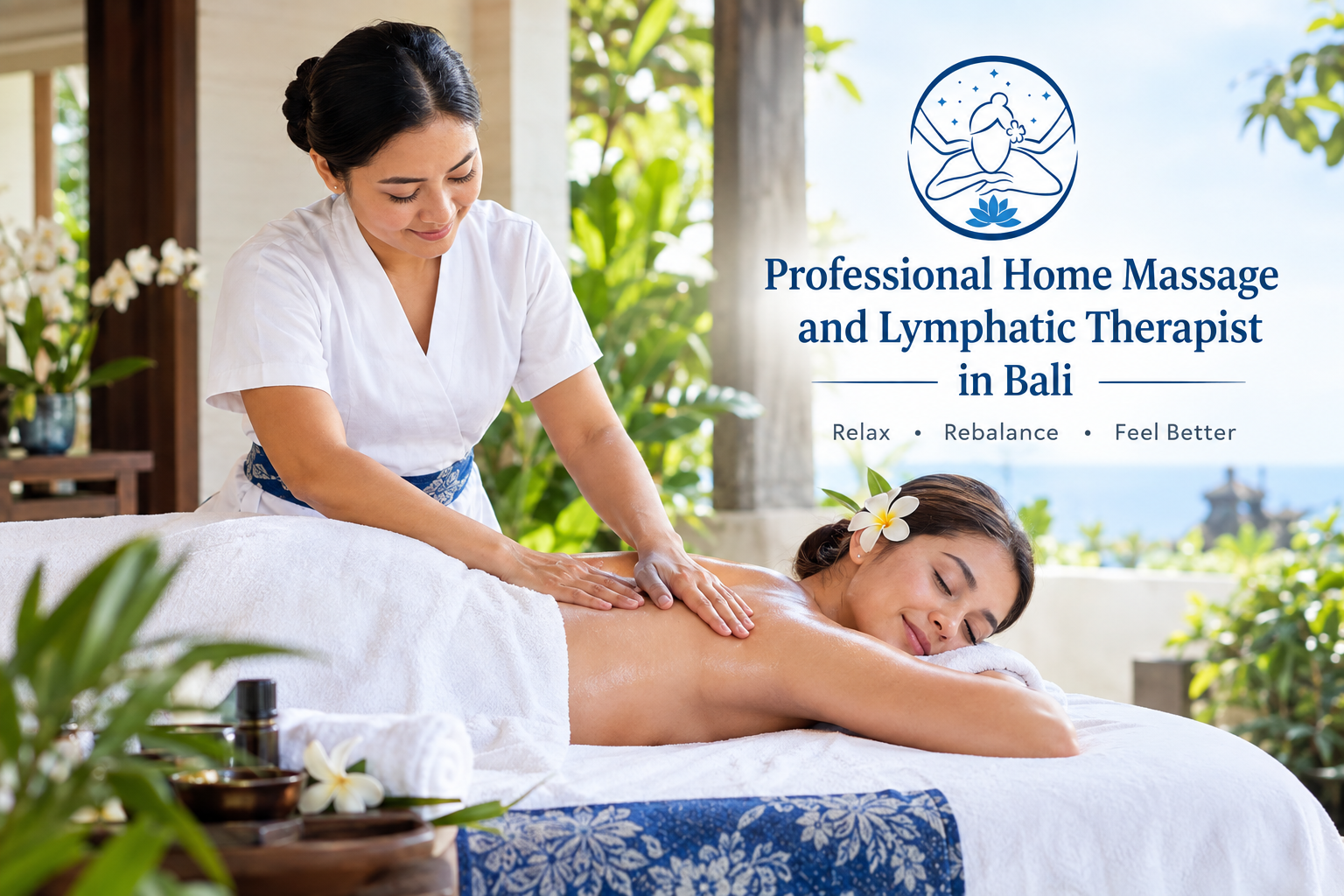
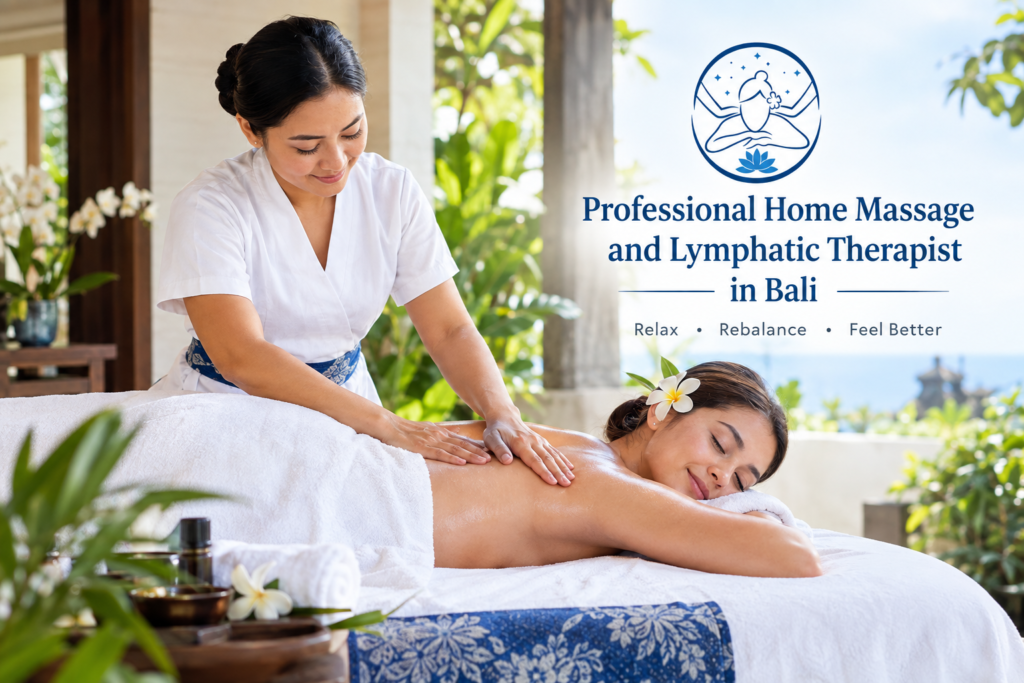
    Lymphatic Massage Debunked showing professional lymphatic massage treatment in Bali

    Lymphatic Massage Debunked is not simply about proving social media claims wrong. It is about helping you understand what lymphatic massage can realistically do, when it may be useful, and when another type of treatment is more appropriate. Many visitors in Bali arrive with the same concerns. They feel swollen after a long flight, notice facial puffiness after several days of travel, feel heavy after sitting for hours, or have heard that lymphatic massage can instantly remove toxins and body fat. The reality is more practical than the marketing often suggests.

    How Professional Balinese Massage Can Complement Lymphatic Massage

    Choosing professional Balinese massage or lymphatic focused bodywork in Bali should begin with understanding the difference between relaxation and a specific therapeutic technique. A traditional Balinese massage can involve broader pressure and work on muscles and soft tissues, while manual lymphatic drainage uses a much lighter, more deliberate touch. The right approach depends on what you actually want from the session.

    If you are searching for Home Massage Bali, convenience is often an important part of the decision. After a flight, villa check in, beach day, wedding event, or long day exploring Bali, having a therapist come to your accommodation can make the experience considerably easier. However, convenience should never replace proper screening, communication, or realistic expectations.

    This is where Lymphatic Massage Debunked becomes useful. Instead of promising dramatic results, a good practitioner should explain what the technique is designed to achieve and what it is not designed to achieve.

    Why There Are So Many Myths About Lymphatic Massage

    The popularity of lymphatic massage has grown rapidly through wellness content, beauty treatments, social media videos, and before and after photographs. The problem is that a legitimate technique can become surrounded by exaggerated claims.

    A person may see a noticeably slimmer waist immediately after a session and assume that body fat has disappeared. Someone else may feel the need to urinate after treatment and interpret this as proof that large amounts of toxins have been removed.

    These experiences can feel real while the explanation attached to them may be inaccurate.

    That distinction is central to Lymphatic Massage Debunked. A responsible wellness provider should describe observable benefits without turning temporary changes into medical promises.

    Manual lymphatic drainage is used clinically as part of treatment for conditions involving lymphatic fluid accumulation, particularly lymphedema. The NHS explains that manual lymphatic drainage is one component of decongestive lymphatic therapy, alongside compression, skin care, and exercise.

    Lymphatic Massage Debunked Myth One: It Removes All Toxins From Your Body

    One of the most common claims is that lymphatic massage flushes every toxin from your body.

    This is an oversimplification.

    Your lymphatic system has important functions, including fluid balance and immune activity. Manual lymphatic drainage can encourage the movement of lymphatic fluid, particularly when the system is not functioning effectively. However, describing a massage as a complete body detox is misleading.

    Your body already has organs responsible for processing and eliminating waste. Claims that one massage session can cleanse the body of every harmful substance are not supported by good evidence.

    This is an important part of Lymphatic Massage Debunked because the word detox is often used as a marketing shortcut.

    A more accurate expectation is that gentle lymphatic work may help with fluid movement, temporary puffiness, relaxation, and comfort in appropriate circumstances.

    That explanation is less dramatic than saying you are removing years of toxins, but it is considerably more trustworthy.

    Lymphatic Massage Debunked Myth Two: Lymphatic Massage Burns Body Fat

    This is another claim that deserves careful attention.

    Lymphatic massage does not replace a calorie deficit, resistance training, cardiovascular activity, or a sustainable nutrition plan. It should not be marketed as a direct fat burning treatment.

    If your body looks temporarily less puffy after a session, changes in fluid distribution can contribute to that appearance. This is very different from permanently eliminating stored body fat.

    This distinction matters especially when clients book Home Massage Bali because they want to look different for a wedding, holiday photograph, beach day, or special event.

    A session may help you feel less heavy or appear less swollen, but that should not be confused with permanent fat loss.

    A trustworthy practitioner will explain the difference before treatment rather than promising a specific number of kilograms or centimetres.

    Lymphatic Massage Debunked Myth Three: More Pressure Means Better Results

    This is perhaps one of the most important myths to correct.

    Many people associate effective massage with strong pressure. That can make sense with certain muscle focused techniques, but lymphatic drainage is different.

    Lymphatic vessels are relatively superficial, so lymphatic drainage techniques generally use gentle, controlled movements. Cleveland Clinic specifically advises light pressure for self massage because excessive pressure can compress the superficial lymphatic structures rather than helping them.

    Therefore, if you book a lymphatic session and expect deep pressure similar to a sports massage, you may initially wonder whether the treatment is working.

    The gentle sensation is not necessarily a sign that the treatment is ineffective.

    This is one of the clearest lessons from Lymphatic Massage Debunked. Effective does not always mean intense.

    Lymphatic Massage Debunked Myth Four: You Should Feel Dramatically Different Immediately

    Some clients expect a dramatic transformation as soon as the therapist finishes.

    Real results are more individual.

    Cleveland Clinic notes that people may not experience immediate improvement and that lymphatic drainage may not produce meaningful results for everyone, particularly people without lymphedema.

    For someone dealing with temporary puffiness after travel, the perceived benefit may be relatively quick. For someone receiving treatment as part of a medical plan for lymphedema, progress can require repeated treatment and other components such as compression and exercise.

    The important question is not whether you feel an extreme change after one session.

    A better question is whether the treatment matches your actual goal.

    Lymphatic Massage Debunked Myth Five: Lymphatic Massage Is Only for Medical Conditions

    The opposite extreme can also create confusion.

    Although manual lymphatic drainage has legitimate clinical applications, particularly for lymphedema management, lymphatic massage is also offered in wellness and cosmetic settings.

    Some people seek facial lymphatic massage because they want to reduce temporary facial puffiness. Others simply enjoy the gentle, relaxing nature of the technique.

    Cleveland Clinic describes lymphatic drainage as a technique that can be used for swelling associated with lymphedema and certain other situations, while facial lymphatic treatments may be used cosmetically for temporary puffiness.

    The key is to avoid presenting a wellness treatment as a substitute for medical care.

    Lymphatic Massage Debunked Myth Six: One Session Fixes Lymphedema

    Lymphedema is not simply ordinary water retention.

    It is a chronic condition involving impaired lymphatic function. Treatment may require a broader plan rather than massage alone.

    The NHS states that decongestive lymphatic therapy can include manual lymphatic drainage, compression, exercise, and skin care. It also emphasizes that treatment is designed to control symptoms rather than provide a simple cure.

    For someone with diagnosed lymphedema, professional medical guidance is important before arranging a standard spa treatment.

    This is another reason Lymphatic Massage Debunked should focus on realistic expectations rather than dramatic promises.

    If you have a diagnosed condition, tell the therapist before the session and follow the advice of your healthcare professional.

    Lymphatic Massage Debunked Myth Seven: Anyone Can Receive It Without Screening

    A gentle massage is not automatically appropriate for everyone.

    Certain conditions can make lymphatic massage unsuitable or require medical clearance. Cleveland Clinic lists situations including blood clots, deep vein thrombosis, cellulitis, fever, infection, some heart conditions, kidney failure, stroke, and certain cancer related circumstances as reasons to avoid or carefully evaluate lymphatic drainage.

    This does not mean lymphatic massage is dangerous for the average healthy client.

    It means screening matters.

    Before booking Home Massage Bali, you should be prepared to tell the therapist about relevant medical conditions, recent procedures, medications, swelling that has not been diagnosed, or other concerns.

    A professional should be willing to postpone or modify treatment when necessary.

    Lymphatic Massage Debunked Myth Eight: Lymphatic Massage Should Feel Painful

    Pain is not the objective.

    A properly performed lymphatic focused session is generally gentle. If you are expecting deep tissue pressure, the sensation may actually feel surprisingly light.

    Some clients initially question whether enough pressure is being applied. That is an excellent opportunity for the therapist to explain the technique.

    Instead of increasing pressure simply to satisfy the expectation that massage should hurt, the practitioner should maintain the appropriate technique.

    For Home Massage Bali, communication becomes especially important because the session takes place in your private environment. You should feel comfortable telling the therapist if something feels uncomfortable, too cold, too warm, painful, or simply different from what you expected.

    Lymphatic Massage Debunked Myth Nine: Feeling Thirsty or Tired Proves a Detox Happened

    Some people report feeling relaxed, sleepy, thirsty, or temporarily tired after massage.

    These sensations do not prove that a large quantity of toxins has been removed.

    Cleveland Clinic notes that some people can experience temporary side effects such as fatigue, headache, or nausea after lymphatic drainage.

    The practical approach is simple.

    Listen to your body, rest if you need to, and maintain normal hydration. Do not use a particular sensation as a measurement of how many toxins supposedly left your body.

    Lymphatic Massage Debunked Myth Ten: The More Frequently You Book, The Better

    More sessions are not automatically better.

    The ideal frequency depends on your objective.

    Someone looking for occasional relaxation after travelling around Bali may choose a session when they feel they need it. Someone receiving care for lymphedema may have a structured plan determined with a qualified healthcare professional.

    The NHS describes an intensive treatment phase for some lymphedema patients followed by maintenance strategies that can include self massage, compression, exercise, and skin care.

    Therefore, the right question is not simply, “How many lymphatic massages should I book?”

    The better question is, “What am I trying to address, and what treatment plan makes sense for that goal?”

    What Lymphatic Massage Can Realistically Help With

    Once the myths are removed, the potential benefits become easier to understand.

    Temporary Puffiness and Fluid Retention

    Some people seek lymphatic massage when they feel puffy after travelling, sitting for extended periods, or experiencing temporary fluid retention.

    The technique is intended to encourage lymphatic fluid movement, which may help reduce swelling in appropriate situations.

    Relaxation

    The gentle nature of lymphatic massage can also make it a relaxing wellness experience.

    For travellers in Bali, this can be particularly appealing after a busy itinerary. A treatment at your villa or accommodation means you can return to your normal environment immediately after the session rather than travelling across town.

    Facial Puffiness

    Facial lymphatic massage is often chosen for temporary puffiness.

    The goal should be a refreshed appearance rather than a promise of permanent facial reshaping.

    Cleveland Clinic notes that facial lymphatic drainage may reduce facial puffiness and can be used as a cosmetic treatment.

    Support During Appropriate Medical Care

    For people with lymphedema, manual lymphatic drainage can be part of a wider treatment strategy.

    It should not automatically replace compression, exercise, skin care, or medical supervision when those are indicated.

    A Practical Bali Scenario: The Post Flight Client

    A common situation in Bali begins before the massage even starts.

    A traveller arrives after a long international flight, spends several hours sitting, checks into a villa, and notices that their feet, ankles, face, or hands look puffier than usual.

    They may search for Home Massage Bali because they do not want to travel again after reaching their accommodation.

    In this situation, the practical approach is not to promise a detox or weight loss transformation.

    First, the practitioner should ask about the swelling and general health. Then the therapist can determine whether a gentle wellness treatment is appropriate.

    If the swelling is sudden, severe, painful, one sided, or associated with other concerning symptoms, massage should not be used as a substitute for medical assessment.

    That is Lymphatic Massage Debunked in real life. The best treatment decision begins with the reason behind the symptom.

    Another Practical Scenario: Preparing for a Bali Event

    Another common situation involves a client attending a wedding, photoshoot, birthday celebration, or beach event.

    The client may feel puffy after several days of travel, irregular sleep, restaurant meals, and long periods of sitting.

    A gentle lymphatic session may be chosen as part of a broader relaxation routine.

    However, the goal should be temporary comfort and a refreshed appearance rather than permanent fat reduction.

    This distinction protects the client from unrealistic expectations while still allowing them to enjoy the wellness experience.

    Practical Tips From a Massage Practitioner Perspective

    Tell Your Therapist Why You Booked

    Do not simply say that you want lymphatic massage.

    Explain the reason.

    Tell the therapist whether your main concern is facial puffiness, general relaxation, temporary swelling, post travel discomfort, or an existing medical condition.

    The more specific the information, the easier it is to determine whether the treatment is appropriate.

    Avoid Booking Based Only on Social Media Before and After Photos

    Photos can be useful for inspiration, but they do not tell the entire story.

    Lighting, posture, hydration, timing, clothing, camera angles, and temporary fluid changes can all influence appearance.

    A professional service should explain what can realistically change.

    Ask What Technique Will Be Used

    The term lymphatic massage can describe different approaches in wellness settings.

    Ask whether the therapist is using gentle manual lymphatic drainage techniques, a traditional massage technique, or a combination of methods.

    This question helps ensure that the service you book matches what you expect.

    Choose Convenience Without Sacrificing Professionalism

    One major advantage of Home Massage Bali is that you can receive treatment at your villa or accommodation.

    However, convenience should come with proper communication.

    Before the appointment, ask about therapist experience, treatment duration, preparation, contraindications, and what you should expect afterward.

    Do Not Ignore Persistent Swelling

    If swelling keeps returning, becomes worse, affects one limb, or is accompanied by pain or other unusual symptoms, do not simply keep booking massage sessions.

    Persistent swelling may require medical assessment.

    Lymphedema can be a chronic condition and early evaluation can be important for proper management.

    How to Choose a Lymphatic Massage Service in Bali

    When comparing providers, look beyond attractive photographs and promotional promises.

    A good service should make you feel comfortable asking questions before booking.

    Look for clear information about the therapist, treatment approach, session duration, location coverage, preparation, and safety considerations.

    If you are choosing Home Massage Bali, confirm whether the therapist comes directly to your villa, hotel, or other accommodation and whether the treatment is genuinely suited to your needs.

    Most importantly, be cautious about services promising to cure disease, eliminate all toxins, or permanently remove large amounts of body fat through massage alone.

    The most convincing wellness service is often the one that knows where its claims should stop.

    Frequently Asked Questions About Lymphatic Massage

    Is lymphatic massage actually effective?

    It can be useful in appropriate situations, particularly for managing swelling associated with lymphedema as part of a broader treatment plan. Results vary according to the individual and the reason for treatment.

    Does lymphatic massage help you lose weight?

    Lymphatic massage should not be considered a weight loss treatment. Temporary changes in fluid and puffiness can affect appearance, but this is different from reducing body fat.

    How often should I get lymphatic massage in Bali?

    There is no universal schedule. Wellness clients may book occasional sessions according to their preferences, while people receiving treatment for lymphedema may follow a structured plan recommended by a healthcare professional.

    Can I get lymphatic massage at my villa in Bali?

    Yes, Home Massage Bali services can provide a convenient option for travellers who prefer treatment at their accommodation. Always check the therapist’s qualifications, treatment approach, availability, and suitability before booking.

    Is lymphatic massage supposed to hurt?

    Generally, lymphatic drainage uses gentle pressure rather than painful deep pressure. If you experience significant pain, tell your therapist immediately.

    Can I do lymphatic massage myself?

    Some people can learn simple self massage techniques, but it is important to understand the correct technique and whether it is appropriate for your situation. Cleveland Clinic recommends discussing self massage with a healthcare provider, particularly when lymphedema or other medical conditions are involved.

    Who should avoid lymphatic massage?

    People with certain conditions, including active infection, cellulitis, blood clots, deep vein thrombosis, some heart or kidney conditions, and certain cancer related situations may need to avoid lymphatic drainage or obtain medical guidance first.

    Final Thoughts: Lymphatic Massage Debunked With Realistic Expectations

    The most useful lesson from Lymphatic Massage Debunked is simple. Lymphatic massage can be a valuable wellness or therapeutic technique when used for the right person and the right purpose, but it is not a magical detox, instant fat loss treatment, or universal solution for every type of swelling.

    The technique is particularly relevant when fluid movement and swelling are part of the concern. In medical situations such as lymphedema, it should be understood as one part of a wider management approach rather than a standalone cure.

    For visitors in Bali, Home Massage Bali can make a wellness session much more convenient, especially after flights, long days of sightseeing, or busy travel schedules.

    The best experience starts before the massage begins. Choose a provider who listens to your goals, explains the technique clearly, screens for relevant concerns, and avoids unrealistic promises.

    If you are ready to experience a more personalized wellness treatment during your Bali stay, you can Discover More about available massage options and treatment experiences designed around your needs. When you are ready to arrange your session, Contact us Today and let us help you choose the most suitable option for your Bali stay.

  • Who Should Consider Lymphatic Drainage Therapy

    Who Should Consider Lymphatic Drainage Therapy

    Who Should Consider Lymphatic Drainage Therapy?

    Lymphatic Drainage Therapy wellness infographic featuring a relaxing lymphatic neck massage, spa logo, and illustrations showing who may benefit, including people with swelling, water retention, fatigue, detox support, post-surgery recovery, chronic inflammation, and relaxation needs.

    Lymphatic Drainage Therapy can be worth considering when your body feels unusually heavy, puffy, swollen, or slow to recover, especially after travel, surgery, intense physical activity, or long periods of sitting. In Bali, these concerns are particularly common among visitors who spend hours on flights, walk extensively during holidays, or combine wellness treatments with an active itinerary.

    The important question is not simply whether you need a massage. The better question is whether Lymphatic Drainage Therapy matches what your body currently needs. From a practical treatment perspective, the right approach depends on your symptoms, lifestyle, recovery stage, and overall health. This is where choosing an experienced practitioner makes a meaningful difference.

    Home Massage Bali and Lymphatic Drainage Therapy

    Many people searching for Home Massage Bali services are not necessarily looking for a traditional relaxing massage. Some want help with temporary puffiness after a flight. Others are recovering from a procedure, dealing with a feeling of heaviness, or simply looking for a gentle wellness treatment during their stay in Bali.

    In practice, Lymphatic Drainage Therapy is often chosen because it uses a lighter and more controlled approach than many conventional massage techniques. The goal is not to apply as much pressure as possible. Instead, the treatment focuses on gentle, rhythmic movements that are designed to support the body’s natural lymphatic circulation.

    This difference matters.

    A common mistake is assuming that a stronger massage automatically produces better results. That is not necessarily true for lymphatic focused treatments. The experience should feel controlled, comfortable, and appropriate for the individual’s condition.

    For travelers, an in villa treatment can also be convenient because there is no need to drive after the session. You can rest in your accommodation and give your body time to settle after the treatment.

    Who Should Consider Lymphatic Drainage Therapy?

    Lymphatic Drainage Therapy may be suitable for several groups of people, particularly those looking for a gentle wellness treatment rather than deep pressure massage.

    However, suitability should always be considered individually. If you have a medical condition, have recently undergone surgery, or experience unexplained swelling, professional medical advice should come before booking a massage.

    People Experiencing Temporary Puffiness

    Temporary puffiness can happen for many everyday reasons. Long flights, sitting for several hours, changes in routine, heat, salty meals, dehydration, and disrupted sleep can all contribute to the sensation of feeling swollen or heavy.

    This is one of the situations where Lymphatic Drainage Therapy is commonly requested by travelers in Bali.

    After arriving from an international flight, some guests describe their body as feeling sluggish. Their face may look puffy, their legs can feel heavy, and their usual sense of comfort may take a day or two to return.

    A gentle lymphatic focused session can be incorporated into a broader wellness routine. It should not be presented as a medical cure, but it can be a comfortable option for people who want a relaxing treatment while supporting their general wellbeing.

    Frequent Travelers and Long Flight Passengers

    Travel is one of the most practical reasons people ask about Lymphatic Drainage Therapy in Bali.

    Sitting in one position during a long flight can make the body feel stiff and uncomfortable. Once you arrive, you may want to explore the island immediately, but your body may still feel affected by the journey.

    A gentle massage session can be a useful addition to a recovery focused travel routine.

    For people who frequently travel between countries, combining adequate hydration, regular movement, comfortable clothing, sleep, and appropriate wellness treatments can be more useful than relying on massage alone.

    People Recovering From Certain Procedures

    Another group that may consider Lymphatic Drainage Therapy includes people who have been advised by their healthcare professional to receive lymphatic focused massage during recovery.

    This is an area where professional judgment is especially important.

    Massage should not replace postoperative care, medical monitoring, or instructions from your surgeon. If you have recently undergone cosmetic or medical surgery, you should obtain clearance from your healthcare provider before arranging a session.

    When approved, treatment should be adapted to your recovery stage. Pressure, positioning, duration, and treatment areas may all need to be modified.

    People Who Feel Heavy or Sluggish

    Some people describe their concern in very simple terms.

    They say their body feels heavy.

    They may not have obvious swelling or a specific medical problem. They simply feel uncomfortable after a busy week, extensive travel, physical activity, or changes in their normal routine.

    For these clients, Lymphatic Drainage Therapy can be considered as part of a relaxing wellness experience.

    The key is setting realistic expectations. A massage cannot replace sleep, hydration, nutritious food, movement, or medical care. It can, however, complement a healthy routine and provide a gentle treatment experience.

    People Looking for a Gentle Massage Experience

    Not everyone enjoys deep tissue massage.

    Some clients become tense when a massage involves strong pressure. Others prefer slow, gentle movements because they find them more relaxing.

    This is another reason people explore Lymphatic Drainage Therapy.

    The treatment style can be particularly appealing to clients who want a softer experience. It is important to communicate your pressure preference and health history before the session so the practitioner can determine whether the treatment is appropriate.

    What Are the Practical Benefits of Lymphatic Drainage Therapy?

    The benefits people seek from Lymphatic Drainage Therapy are often connected to comfort, relaxation, and temporary feelings of reduced heaviness or puffiness.

    A Gentle Approach

    One of the main differences between lymphatic focused massage and traditional deep pressure massage is the level of pressure.

    The objective is not to forcefully work into the muscles. Gentle movements are generally more appropriate for this type of treatment.

    This can make the experience appealing to people who find conventional massage uncomfortable.

    A Relaxing Wellness Experience

    Relaxation is another practical reason people book Lymphatic Drainage Therapy.

    A calm treatment environment, slow movements, comfortable positioning, and a quiet recovery period can make the session feel very different from an intense sports or deep tissue massage.

    For visitors staying in Bali, this can fit naturally into a wellness focused holiday.

    Supporting Comfort After Travel

    After a long journey, people often want something simple.

    They want to shower, rest, eat well, drink water, and feel comfortable again.

    A gentle Lymphatic Drainage Therapy session may complement this recovery routine for suitable clients. It should be viewed as one component of post travel wellness rather than a replacement for movement and proper hydration.

    A More Personalized Treatment

    Good Lymphatic Drainage Therapy should not be treated as a standard routine that is identical for every person.

    The practitioner should consider why you are booking, what you are experiencing, your recent travel or activity, and whether there are any reasons the treatment may not be appropriate.

    Personalization is particularly important when the client is recovering from a procedure.

    When Should You Not Book Lymphatic Drainage Therapy?

    Knowing when not to book can be just as important as knowing when to book.

    Lymphatic Drainage Therapy is not suitable for everyone, and massage should not be used to diagnose unexplained swelling or other concerning symptoms.

    If swelling is sudden, severe, painful, associated with significant redness or warmth, or accompanied by other concerning symptoms, seek appropriate medical evaluation rather than booking a massage first.

    People with certain medical conditions may also need clearance from their healthcare provider before receiving massage.

    If you are pregnant, taking medication, managing a chronic condition, or recovering from surgery, discuss massage with an appropriate healthcare professional when necessary.

    A trustworthy practitioner should be comfortable telling you when treatment is not appropriate.

    Realistic Client Situations in Bali

    Case Example One: The Long Haul Traveler

    Imagine a traveler arriving in Bali after a long international journey.

    They have spent many hours sitting, slept poorly, and arrived feeling puffy and tired. They are not looking for deep pressure. They want to relax and feel more comfortable before starting their holiday.

    For a suitable client, Lymphatic Drainage Therapy may be considered as part of a gentle wellness plan.

    The practical advice is simple. Drink enough water, move regularly, rest, and avoid expecting one massage to solve every effect of travel.

    Case Example Two: The Busy Holiday Schedule

    Another common situation involves guests who fill every day with activities.

    They go hiking, visit beaches, spend hours walking through cultural attractions, and stay out late for dinner. By the middle of the holiday, their body feels tired and heavy.

    In this situation, Lymphatic Drainage Therapy can be considered as a gentle wellness treatment, especially for someone who does not enjoy intense massage.

    The bigger solution is still balance. Recovery days, adequate sleep, hydration, nutrition, and sensible activity levels matter.

    Case Example Three: Post Procedure Recovery

    A client who has undergone a procedure may specifically search for Lymphatic Drainage Therapy because their healthcare professional has recommended it.

    This situation requires much more care than a standard wellness booking.

    The client should provide relevant instructions from their medical team, confirm that massage has been approved, and choose a practitioner who understands that postoperative treatment requires a different approach.

    The treatment should never be presented as a substitute for professional medical follow up.

    Practitioner Tips Before Booking Lymphatic Drainage Therapy

    Tell the Practitioner Why You Are Booking

    Do not simply say that you want lymphatic massage.

    Explain your actual reason.

    Tell the practitioner if you recently flew, feel unusually puffy, have been physically active, are recovering from a procedure, or simply want a gentle wellness treatment.

    This information can help determine whether Lymphatic Drainage Therapy is appropriate.

    Mention Recent Surgery or Procedures

    This is particularly important.

    If you have had surgery, cosmetic treatment, injections, or another procedure, tell the practitioner before treatment begins.

    Bring any relevant instructions from your medical provider if necessary.

    Do Not Chase Pain

    Pain is not a requirement for effective Lymphatic Drainage Therapy.

    If you are expecting an extremely strong massage, you may be looking for a different type of treatment.

    The correct technique should be selected according to the purpose of the session.

    Ask About Practitioner Experience

    Experience matters.

    Before booking Lymphatic Drainage Therapy, ask how the practitioner approaches lymphatic focused treatments and whether they have experience working with clients who have similar needs.

    This is especially important after surgery or when you have specific health considerations.

    Give Your Body Time to Rest

    One practical mistake is scheduling an intense activity immediately after a wellness treatment.

    If possible, give yourself time to relax afterward.

    For an in villa session, this can be particularly convenient. You can remain at your accommodation instead of immediately returning to a busy schedule.

    How to Choose Massage Bali Services for Lymphatic Treatment

    When searching for Massage Bali services, do not choose based on price alone.

    Look for clear information about the treatment, practitioner experience, booking process, service area, and what clients should expect.

    A good provider should explain the difference between lymphatic focused massage and other massage styles.

    Useful anchor text variations you can use when building internal links include Lymphatic Massage Bali, Bali Lymphatic Massage, Lymphatic Massage in Bali, Home Massage Bali, and Massage Bali.

    These variations can help visitors discover related services without making the page sound repetitive.

    The booking experience should also be straightforward. Visitors should be able to understand where the treatment is available, how long a session takes, what they need to prepare, and how to request an appointment.

    Why In Villa Lymphatic Massage Can Be Convenient in Bali

    For travelers, convenience can make a significant difference.

    An in villa Lymphatic Drainage Therapy session allows you to receive treatment without spending additional time traveling to another location.

    This can be especially useful after a long flight or during a busy holiday.

    Instead of arranging transportation before and after your appointment, you can relax in your accommodation before the practitioner arrives and continue resting after the session.

    For many visitors, this is one of the most practical advantages of combining Lymphatic Drainage Therapy with an in villa wellness service.

    How Often Should You Consider Lymphatic Drainage Therapy?

    There is no universal schedule that applies to everyone.

    Someone seeking occasional relaxation after travel may only want a single session. Someone following a medically supervised recovery plan may have a different schedule recommended by their healthcare professional.

    The right frequency depends on your reason for treatment and individual circumstances.

    Rather than booking multiple sessions automatically, start by identifying your goal.

    If your goal is general wellness, occasional sessions may be enough.

    If your treatment is connected to recovery from surgery, follow the guidance of your medical team and communicate those recommendations to your massage practitioner.

    Frequently Asked Questions About Lymphatic Drainage Therapy

    Is Lymphatic Drainage Therapy good for everyone?

    No. Lymphatic Drainage Therapy is not appropriate for every person or every health situation. People with unexplained swelling, recent surgery, certain medical conditions, or other health concerns should seek appropriate professional advice before booking.

    Is Lymphatic Drainage Therapy painful?

    It should generally be a gentle treatment rather than a painful one. If you are experiencing significant discomfort during a session, communicate this immediately with the practitioner.

    Can I get Lymphatic Drainage Therapy after a long flight?

    For a suitable client, Lymphatic Drainage Therapy may be considered as part of a post travel wellness routine. However, it should be combined with normal recovery measures such as hydration, movement, and adequate rest.

    How long does Lymphatic Drainage Therapy take?

    Session length depends on the provider and treatment plan. Many wellness providers offer different session durations, so choose one based on your needs rather than assuming a longer session is always better.

    Can I have Lymphatic Drainage Therapy after surgery?

    Only when it has been approved as appropriate by your healthcare provider. Postoperative massage requires additional care, and the technique should be adapted to your stage of recovery.

    Is Lymphatic Drainage Therapy the same as a regular massage?

    No. The techniques, pressure, and treatment objectives can differ significantly. If you specifically want a gentle lymphatic focused experience, communicate this when booking.

    Should I choose an in villa treatment in Bali?

    An in villa treatment can be a convenient option if you want to rest before and after your session. It can be particularly practical for travelers who have just arrived, have limited mobility, or prefer not to spend additional time traveling.

    Final Thoughts on Lymphatic Drainage Therapy in Bali

    Lymphatic Drainage Therapy can be a useful wellness option for people who want a gentle treatment experience, particularly after travel, during a busy holiday, or when looking for a relaxing approach to temporary feelings of heaviness and puffiness.

    The most important point is choosing the treatment for the right reason.

    Massage should complement healthy habits rather than replace them. Hydration, movement, sleep, nutritious food, and appropriate medical care remain important.

    If you are recovering from surgery or managing a health condition, professional medical guidance should come first.

    For visitors searching for Massage Bali, the best provider is not necessarily the one offering the strongest pressure or the cheapest price. Look for a service that values communication, practitioner experience, client comfort, appropriate screening, and realistic expectations.

    If your goal is a gentle wellness experience during your stay, Lymphatic Drainage Therapy may be worth discussing with an experienced practitioner.

    Book Your Lymphatic Massage in Bali

    If you are ready to explore whether Lymphatic Drainage Therapy is suitable for your needs, start with a conversation about your goals, recent travel, activity level, and any relevant health considerations.

    For travelers who prefer privacy and convenience, Home Massage Bali can provide a comfortable way to enjoy a professional wellness session at your villa or accommodation.

    Choose a treatment based on your individual needs, communicate openly with your practitioner, and give your body enough time to rest afterward.

    Discover More about professional wellness treatments in Bali and Book Now when you are ready to arrange your personalized massage experience.

  • How Often Should You Get a Lymphatic Massage

    How Often Should You Get a Lymphatic Massage

    How Often Should You Get a Lymphatic Massage

    Learn how often to get a lymphatic massage, what affects treatment frequency, who may benefit, safety considerations, and practical tips for choosing lymphatic drainage in Bali.

    Get a Lymphatic Massage when your body feels unusually heavy, puffy, or swollen, but the right frequency depends on why you want the treatment in the first place. Some people benefit from occasional sessions for relaxation and temporary puffiness, while others may need a structured series of treatments when dealing with medically diagnosed swelling.

    One question I often hear from clients looking for Home Spa Bali treatments is, “How often should I actually book a lymphatic massage?” The answer is not simply once a week or once a month. A useful schedule depends on your symptoms, your goals, your recovery stage, and how your body responds after each session.

    For visitors in Bali, this matters even more. Long flights, extended periods of sitting, hot weather, changes in routine, travel fatigue, and increased activity can all make the body feel different. However, not every type of swelling means you need lymphatic drainage. Understanding the reason behind your symptoms is the first step toward choosing the right treatment frequency.

    How Often Should You Get a Lymphatic Massage?

    For general wellness, many people choose to Get a Lymphatic Massage occasionally rather than following a strict weekly schedule. A session every few weeks or once a month may be suitable for someone who simply enjoys the gentle technique and wants a relaxing wellness experience.

    However, people receiving lymphatic drainage for a specific medical reason may require a much more structured schedule. In professional lymphedema care, treatment can sometimes be performed several times per week during an intensive phase, followed by less frequent maintenance care. The exact plan should be determined by a qualified healthcare professional or appropriately trained therapist.

    This distinction is important because lymphatic drainage massage is not the same as a conventional relaxation massage. The technique uses light, rhythmic movements rather than deep pressure. Manual lymphatic drainage is particularly relevant for certain forms of swelling and lymphedema.

    A Practical Frequency Guide

    If you are trying to decide how often to Get a Lymphatic Massage, consider these general situations:

    For occasional wellness: One session every two to four weeks may be a reasonable starting point if you have no diagnosed lymphatic condition and simply enjoy the treatment.

    For travel related puffiness: One session after a long journey may be enough for some people, particularly when combined with walking, hydration, adequate rest, and normal movement.

    For a short term wellness goal: Some clients prefer one or two sessions per week for a limited period, then reduce the frequency once they feel they have reached their desired level of comfort.

    For post procedure recovery: Never assume that more sessions are better. Your surgeon or healthcare provider should determine when treatment can begin and how frequently it should be performed.

    For diagnosed lymphedema: Frequency can be significantly higher during an intensive treatment phase and may later move into a maintenance schedule. Medical guidance is essential in this situation.

    The most useful approach is to start with your reason for booking rather than choosing a frequency simply because it is popular online.

    Why Your Reason for Getting Lymphatic Drainage Matters

    When someone asks me how often they should Get a Lymphatic Massage, I first want to know what they are trying to improve.

    Are they dealing with persistent swelling?

    Are they recovering from a procedure?

    Do they feel puffy after travelling?

    Are they looking for a relaxing treatment?

    Or are they interested because they have seen social media claims about detoxification and weight loss?

    These situations should not be treated as if they are identical.

    Lymphatic drainage massage has its strongest medical application in situations involving impaired lymphatic drainage and swelling, particularly lymphedema. It may also be incorporated into certain postoperative recovery plans when recommended by a healthcare professional.

    For otherwise healthy people, claims that lymphatic massage dramatically detoxifies the body, boosts immunity, or causes significant fat loss are not supported by strong evidence. UCLA Health specifically notes that there is not substantial scientific evidence for these broad wellness claims.

    That does not mean a wellness session has no value. A gentle treatment can feel relaxing, and some people report temporary relief from feelings of heaviness or puffiness. The important point is to have realistic expectations.

    Signs You May Be Booking Too Frequently

    More treatments do not automatically mean better results.

    One of the practical mistakes people make is booking repeated sessions without paying attention to how their body responds. If you feel comfortable after treatment and your therapist believes the frequency is appropriate, continuing may be reasonable.

    However, if you experience persistent discomfort, unusual fatigue, nausea, worsening swelling, or other concerning symptoms, you should stop and reassess rather than immediately booking another session.

    Lymphatic drainage should generally be gentle. It should not feel like a deep tissue treatment. Professional guidance also emphasizes that heavy pressure should be avoided because inappropriate pressure can irritate tissue and potentially worsen edema.

    A good treatment plan is therefore based on response, not simply on the number of appointments.

    What Happens When You Get a Lymphatic Massage Regularly?

    When clients Get a Lymphatic Massage regularly, the experience can vary considerably from person to person.

    Someone with occasional travel related puffiness may notice that they feel lighter or more comfortable after a session.

    Someone with medically diagnosed lymphedema may need a more comprehensive treatment plan involving lymphatic drainage, compression, exercise, skin care, and ongoing medical supervision. Massage alone should not be presented as a complete treatment for lymphedema.

    For wellness clients, consistency can also make it easier to understand how their body responds to the treatment. Instead of booking randomly, you can observe whether you actually feel a meaningful benefit and adjust the schedule accordingly.

    This is one reason I prefer discussing the client’s objective before recommending a treatment frequency.

    Benefits You May Notice From Lymphatic Drainage Massage

    Temporary Relief From Feelings of Puffiness

    One of the most common reasons people Get a Lymphatic Massage in Bali is the sensation of puffiness after travelling.

    Long periods of sitting can make the legs and feet feel uncomfortable. Hot weather and changes in daily activity can also affect how your body feels.

    A gentle lymphatic treatment may provide a relaxing experience and can be useful in appropriate situations involving fluid accumulation. However, unexplained or persistent swelling should not automatically be attributed to travel.

    A Gentle Alternative to Deep Massage

    Lymphatic drainage is very different from traditional deep tissue massage.

    If you prefer a light touch, slow movements, and a calmer treatment experience, lymphatic drainage may feel more suitable than a firm massage.

    A proper lymphatic technique uses gentle rhythmic movements because the relevant lymphatic structures are located close to the skin.

    Support During Appropriate Recovery Plans

    Some people Get a Lymphatic Massage following surgery or other procedures because lymphatic techniques may be included in a professional recovery plan.

    The key word is appropriate.

    You should not schedule a lymphatic massage immediately after a procedure simply because someone online recommended it. Timing depends on the type of procedure, your healing progress, your medical history, and your healthcare provider’s instructions.

    A Relaxing Wellness Experience

    Not every massage needs to have a medical purpose.

    For healthy adults, lymphatic massage may simply be part of a broader wellness routine. The treatment can be calm and relaxing, especially when performed in a comfortable private setting.

    This can make a lymphatic treatment particularly appealing for people staying in Bali who want a quiet wellness experience without spending additional time travelling to a busy location.

    Realistic Examples of How Often to Get a Lymphatic Massage

    Example 1: The Bali Traveler

    Imagine arriving in Bali after a long international flight. You have spent many hours sitting, slept poorly, and now your legs feel heavy.

    In this situation, deciding to Get a Lymphatic Massage may be reasonable as a wellness choice if you have no medical contraindications.

    You may not need five sessions in one week. One gentle session followed by normal movement, hydration, rest, and a balanced routine may be sufficient.

    If the swelling is severe, one sided, painful, sudden, or unusual for you, massage should not be the first response. Medical evaluation may be more appropriate.

    Example 2: The Wellness Client

    Another client may simply enjoy lymphatic drainage as part of a regular wellness routine.

    For this person, a session every few weeks may make more sense than booking several appointments close together.

    The goal is not to force the body to “detox” repeatedly. Instead, the client is choosing a relaxing treatment and monitoring whether it provides a worthwhile experience.

    Example 3: The Client With Persistent Swelling

    This situation is very different.

    If someone has persistent swelling that has been diagnosed as lymphedema, they may need an intensive treatment schedule rather than occasional spa appointments.

    Professional lymphedema programs can involve treatment two or three times per week during an initial phase, and sometimes daily treatment depending on the clinical situation. The frequency can later decrease as the person moves toward maintenance care.

    This is why medical lymphatic therapy should not be confused with a standard spa wellness package.

    How to Prepare Before You Get a Lymphatic Massage

    Before you Get a Lymphatic Massage, tell your therapist what you are experiencing.

    Mention recent travel, surgery, medical diagnoses, current symptoms, medications if relevant, and any previous experience with lymphatic treatments.

    A professional therapist should ask appropriate questions before starting. A proper assessment helps determine whether the treatment is suitable or whether you should seek medical advice first.

    It is also useful to avoid arriving immediately after an exhausting activity. Give yourself enough time to relax and communicate with your therapist.

    If you are booking a treatment in Bali, explain whether your priority is relaxation, travel related puffiness, facial puffiness, general wellness, or recovery support. This allows the therapist to understand your expectations.

    When You Should Not Get a Lymphatic Massage

    There are situations where you should not simply Get a Lymphatic Massage without medical advice.

    Professional medical sources list conditions such as acute infection, cellulitis, blood clots, deep vein thrombosis, fever, certain heart conditions, and kidney problems among situations requiring avoidance or medical assessment.

    Sudden swelling in one leg, chest pain, shortness of breath, severe redness, fever, or rapidly worsening symptoms require medical attention rather than a wellness massage.

    If you have recently had surgery, ask your surgeon or healthcare provider when massage is appropriate.

    If you have been diagnosed with lymphedema, consider working with a qualified professional who understands lymphatic care rather than choosing a therapist based only on a general massage qualification.

    How to Choose a Lymphatic Massage Therapist in Bali

    Choosing the right therapist can be more important than choosing the most frequent schedule.

    Before you Get a Lymphatic Massage, ask what type of lymphatic technique the therapist performs and what training they have completed.

    A therapist should understand that lymphatic drainage is not simply a lighter version of deep tissue massage.

    The treatment should involve appropriate pressure, deliberate movements, and an understanding of when the service should be postponed or referred to a healthcare professional.

    You should also be able to explain your treatment goal clearly.

    For example, you can use Lymphatic Drainage Massage in Bali as an anchor when researching local services, while Professional Lymphatic Massage Bali can be useful when comparing specialist treatment options.

    If you are looking for an in villa experience, Home Massage and Lymphatic Bali can also be a useful anchor phrase when exploring private wellness services.

    The most important factor is not how many sessions a provider wants to sell. It is whether the therapist takes time to understand your needs before recommending a schedule.

    Practical Tips From a Therapist’s Perspective

    Start Conservatively

    If you have never tried lymphatic drainage before, you do not necessarily need to book a large package immediately.

    Start with one session and evaluate how your body feels afterward.

    This gives you useful information about whether the treatment is comfortable and worthwhile for your personal goal.

    Track Your Response

    After you Get a Lymphatic Massage, pay attention to how you feel over the next day.

    Do you feel comfortable?

    Did the sensation of heaviness improve?

    Did you experience unusual discomfort?

    Did the result last for hours or several days?

    These observations can help you and your therapist decide whether another session makes sense.

    Do Not Chase Temporary Changes

    A temporary reduction in puffiness should not automatically be interpreted as fat loss.

    Lymphatic drainage is primarily concerned with fluid movement, and any short term change in body measurements should be interpreted carefully.

    A reputable therapist should not promise dramatic weight loss or claim that massage replaces nutrition, exercise, medical care, or other appropriate treatment.

    Combine Massage With Healthy Habits

    If your goal is general wellness, massage works best as part of a healthy lifestyle.

    Regular movement, adequate hydration, nutritious food, sufficient sleep, and appropriate exercise all matter.

    For people with diagnosed lymphedema, compression, exercise, skin care, and professional care may also be important components of management.

    FAQ About How Often to Get a Lymphatic Massage

    How often should you get a lymphatic massage?

    There is no single frequency that works for everyone.

    If you are healthy and booking for wellness, you may choose occasional sessions every few weeks or once a month. If you have a diagnosed lymphatic condition, your healthcare provider or qualified therapist may recommend a more intensive schedule.

    Can I get a lymphatic massage every week?

    Some people can Get a Lymphatic Massage weekly as part of a wellness routine, provided the treatment is appropriate for them.

    However, weekly treatment is not automatically necessary. If you are receiving lymphatic therapy for a medical condition, follow the treatment schedule recommended by your healthcare team.

    How many lymphatic massages do I need to see results?

    There is no universal number.

    Some wellness clients may notice a difference after one session, while people receiving treatment for lymphedema may require multiple sessions as part of a structured program.

    If you have several sessions without noticeable improvement, reassessment may be more useful than simply increasing the frequency. Cleveland Clinic also recommends discussing lack of improvement with a healthcare provider.

    Is it safe to get a lymphatic massage after surgery?

    It can be appropriate in certain recovery plans, but the timing depends on the surgery and your individual condition.

    Always obtain clearance from your surgeon or healthcare provider before you Get a Lymphatic Massage after surgery.

    Can lymphatic massage help with bloating?

    It depends on the cause.

    Not all bloating is related to lymphatic fluid. Digestive issues, dietary changes, hormones, and other conditions can cause abdominal bloating.

    If bloating is persistent, painful, severe, or accompanied by other symptoms, seek appropriate medical evaluation rather than assuming lymphatic massage is the solution.

    Is lymphatic drainage massage painful?

    It should generally be gentle rather than painful.

    Manual lymphatic drainage uses light movements rather than the firm pressure associated with deep tissue massage. If the treatment feels painful or causes significant discomfort, tell your therapist immediately.

    Can I do lymphatic massage at home?

    Some people can learn simple self massage techniques, but it is better to receive proper instruction first.

    A qualified professional can demonstrate appropriate movements and explain whether self treatment is suitable for your particular situation.

    What Is the Best Lymphatic Massage Schedule in Bali?

    For most wellness clients, the best schedule is the one that matches the reason for treatment rather than a fixed package.

    If you are visiting Bali and want to relax after travelling, one session may be enough.

    If you enjoy lymphatic massage as part of your wellness routine, occasional treatments may be appropriate.

    If you are recovering from surgery or managing diagnosed swelling, your schedule should be determined with appropriate professional guidance.

    The key is to avoid treating every situation as if it requires the same number of appointments.

    When you Get a Lymphatic Massage, quality and suitability matter more than simply increasing frequency.

    A thoughtful therapist should be willing to recommend fewer sessions when fewer sessions are appropriate. That approach is better for both client trust and long term wellness.

    Final Thoughts: How Often Should You Get a Lymphatic Massage?

    So, how often should you Get a Lymphatic Massage?

    For general wellness, there is no mandatory schedule. Some people choose every few weeks, while others book only when they feel they would benefit from another relaxing session.

    For medical conditions such as lymphedema, frequency can be considerably higher and should form part of a structured treatment plan. In some clinical programs, treatment may initially occur several times per week before moving toward maintenance care.

    The most important lesson is that lymphatic drainage should be individualized.

    Do not choose a frequency because someone promises that more sessions will produce faster detoxification or weight loss. Instead, focus on your actual reason for treatment, your body’s response, the therapist’s qualifications, and any medical advice relevant to your situation.

    If you are planning a wellness stay in Bali, a private treatment can be a convenient way to incorporate lymphatic care into your itinerary. Before booking, communicate your goals and make sure the therapist understands what you want from the session.

    For those ready to Get a Lymphatic Massage in Bali, choosing an experienced therapist and a treatment plan based on your individual needs is a much better starting point than simply booking as many sessions as possible.

    You can Explore Massage Services in Bali to compare suitable wellness options, and when you have questions about your personal treatment needs, Contact the Therapist before booking so your session can be planned around your goals.

  • Manual Lymphatic Drainage vs Machine Treatments

    Manual Lymphatic Drainage vs Machine Treatments

    Manual Lymphatic Drainage vs Machine Treatments: Which Is Better for Your Bali Wellness Experience?

    Manual Lymphatic Drainage vs Machine Treatments in Bali showing a therapist and compression machine treatment

    Manual Lymphatic Drainage and Machine Treatments are two options that many people compare when they want to reduce the feeling of heaviness, manage temporary fluid retention, support recovery, or simply feel more comfortable in their body while staying in Bali.

    The difficult part is that many spa menus use similar words for very different experiences. A machine can create a strong sensation and a therapist can provide a deeply relaxing session, but intensity alone does not tell you which option is appropriate for your goal.

    Spa Bali Experiences: Why the Right Treatment Matters

    When visiting a Spa Bali location, clients often arrive with a simple question: should I book a manual session or choose a machine treatment?

    In practice, the answer depends on why you want the treatment, what your body is experiencing, whether you have recently had a procedure, and what kind of experience you actually prefer.

    Some clients want a gentle hands on session after a long flight. Others want a structured compression experience because their legs feel tired after several days of walking around Bali. Someone recovering from a procedure may need a much more careful approach than a healthy traveler looking for relaxation.

    That is why comparing Manual Lymphatic Drainage and Machine Treatments purely by price, pressure, or the promise of faster results can be misleading.

    The better question is this: which method fits your current situation?

    Manual Lymphatic Drainage vs Machine Treatments: The Practical Difference

    Manual Lymphatic Drainage is performed directly by a trained practitioner using controlled, rhythmic and generally gentle movements. The therapist can observe the tissue, adjust pressure and change the treatment sequence according to what they feel.

    Machine Treatments use equipment to create repeated compression or mechanical stimulation. Depending on the technology, this can include pneumatic compression, pressotherapy, or other forms of mechanical body treatment.

    The biggest practical difference is adaptability.

    During Manual Lymphatic Drainage, the practitioner can respond to the person rather than simply following a fixed machine cycle. If one area feels more sensitive, the pressure can change. If a particular region requires more attention, the practitioner can spend additional time there.

    With Machine Treatments, the major advantage is consistency. The equipment can provide repeated pressure according to a selected program, which can be convenient for clients who prefer a predictable experience.

    Neither approach should automatically be considered superior.

    The correct choice depends on the person receiving the treatment.

    How Manual Lymphatic Drainage Feels in Real Life

    A common misconception is that a good lymphatic treatment needs to feel strong.

    That is not necessarily the case.

    Manual Lymphatic Drainage is usually much gentler than a traditional deep tissue massage. The sensation may feel subtle, rhythmic and calming rather than forceful.

    From a practical treatment perspective, this can be especially appealing when a client is already tired, sensitive, or looking for a relaxing wellness experience.

    The therapist can also pay attention to the body’s response during the session. This human feedback is one of the biggest reasons clients choose Manual Lymphatic Drainage instead of relying exclusively on Machine Treatments.

    For a traveler who has spent hours sitting on an airplane, followed by walking, heat exposure and a busy itinerary, a gentle manual session may feel very different from a strong mechanical treatment.

    How Machine Treatments Feel in Real Life

    Machine Treatments can be attractive because the experience is structured and repeatable.

    A compression based machine generally uses inflatable sections that apply pressure in a sequence. The client does not need to actively participate while the equipment performs its programmed cycle.

    This can be useful for someone who enjoys a quiet treatment and prefers technology assisted wellness.

    Another practical advantage is consistency. A machine can repeat a selected pressure pattern without the practitioner becoming tired or changing rhythm.

    However, a machine cannot replace professional observation.

    The machine does not independently understand why your body feels swollen, whether a particular area is sensitive, or whether your circumstances require medical assessment. This is why Machine Treatments should be selected based on the person’s needs rather than simply because the treatment feels more powerful.

    Manual Lymphatic Drainage Benefits for Bali Travelers

    There are several reasons Manual Lymphatic Drainage can be a practical choice during a Bali trip.

    1. A Personalized Treatment Experience

    One of the clearest advantages of Manual Lymphatic Drainage is customization.

    A practitioner can adjust the pace, pressure and focus during the appointment. That matters when two clients arrive with completely different needs.

    One person may have tired legs after sightseeing. Another may be recovering from a cosmetic procedure under professional medical guidance. A third may simply want a calming wellness session.

    These people should not necessarily receive exactly the same treatment.

    2. Gentle Bodywork

    Many clients choose Manual Lymphatic Drainage because they do not want an aggressive massage.

    If you are already feeling physically exhausted, deep pressure is not automatically better. A gentle session can provide a more comfortable experience, particularly when relaxation is part of your goal.

    3. Therapist Feedback

    With Manual Lymphatic Drainage, the practitioner can feel changes in tissue texture and sensitivity during the appointment.

    That creates an important feedback loop.

    The treatment can be adjusted based on what is happening in real time rather than relying entirely on a preset program.

    4. A Better Option for Certain Specialized Situations

    For clients dealing with diagnosed lymphoedema or complex swelling, treatment should be approached as a health matter rather than an ordinary spa service.

    Clinical guidance recognizes Manual Lymphatic Drainage as one component that may be used within broader lymphoedema management. Complete decongestive therapy can include manual drainage, compression, exercise and self care.

    This does not mean every person with swelling should book a spa massage. If swelling is persistent, unexplained, painful, sudden, or associated with another medical concern, professional medical assessment is more appropriate.

    Machine Treatments Benefits for Bali Visitors

    Machine Treatments also have legitimate advantages when used appropriately.

    1. Consistent Compression

    A machine can provide repeated compression according to the selected program.

    For clients who enjoy predictable pressure, this can make the experience comfortable and straightforward.

    2. Convenient Wellness Experience

    Some clients simply want to lie down, relax and let the equipment perform the treatment.

    For this type of wellness experience, Machine Treatments can be appealing.

    3. Useful as Part of a Broader Approach

    In clinical lymphoedema management, pneumatic compression can be used as part of a broader treatment strategy. Evidence reviews include research examining intermittent pneumatic compression devices alongside other approaches.

    The important point is context.

    A machine should not be marketed as a universal replacement for assessment, professional treatment planning, or medical care.

    Manual Lymphatic Drainage vs Machine Treatments: Which Gives Better Results?

    This is where many online articles become too simplistic.

    There is no responsible answer that says Manual Lymphatic Drainage is always better or that Machine Treatments always produce faster results.

    Research on lymphoedema management looks at different combinations of manual therapy, compression, exercise and other interventions. Current evidence reviews do not support reducing this complex subject to one treatment being universally superior.

    The real objective is to match the treatment to the reason you are seeking it.

    If your primary goal is relaxation and a personalized hands on experience, Manual Lymphatic Drainage may be the more appealing choice.

    If you prefer consistent mechanical compression and a technology assisted experience, Machine Treatments may suit you better.

    For some clients, the most practical approach can involve both methods at different stages, depending on professional advice and individual circumstances.

    Manual Lymphatic Drainage for Post Procedure Recovery

    This is an area where careful decision making matters.

    People visiting Bali sometimes book treatments after cosmetic procedures. Examples can include liposuction, body contouring procedures or other interventions.

    In this situation, do not assume that a spa treatment is automatically appropriate simply because it is described as lymphatic.

    The timing, technique and intensity should follow the instructions of the medical professional responsible for your recovery.

    Manual Lymphatic Drainage can offer a gentle hands on approach, but that does not mean every therapist should treat every post procedure client.

    Similarly, Machine Treatments should not be selected simply because a machine is advertised as powerful or advanced.

    Your surgeon or qualified healthcare professional should determine when and what type of treatment is appropriate.

    Manual Lymphatic Drainage for Travelers With Tired Legs

    A much simpler situation is the traveler who has spent several days exploring Bali.

    Long flights, extended periods of sitting, walking, heat and a busy schedule can leave the legs feeling tired.

    In this situation, many people are looking for comfort rather than treatment of a medical condition.

    Manual Lymphatic Drainage can provide a gentle wellness experience that also allows the practitioner to focus on areas where the client feels most uncomfortable.

    Machine Treatments can also be attractive because the compression sensation is consistent and requires little active participation.

    For a healthy traveler, the choice often comes down to comfort, preference, budget and the type of experience they want.

    Realistic Client Scenarios From a Practitioner Perspective

    The following scenarios illustrate how a practitioner can think about the choice without promising unrealistic results.

    Scenario One: The Long Flight Client

    A traveler arrives in Bali after many hours of sitting. Their legs feel heavy and they want something relaxing before starting their holiday.

    For this person, Manual Lymphatic Drainage can be an appealing option because the session can remain gentle and personalized.

    Machine Treatments may also be suitable if the client prefers compression and a technology assisted experience.

    The important thing is not to promise that either option will magically eliminate every symptom.

    Scenario Two: The Active Bali Traveler

    Another client has spent several days walking, swimming and exploring.

    They want a wellness session at the end of the day and enjoy the sensation of compression.

    In this situation, Machine Treatments may be attractive because the client likes the predictable mechanical sensation.

    If they prefer human touch and a calmer experience, Manual Lymphatic Drainage may be a better match.

    Scenario Three: The Post Procedure Client

    A client arrives after a recent cosmetic procedure.

    This is where the practitioner should stop treating the booking as a normal spa decision.

    Before choosing Manual Lymphatic Drainage or Machine Treatments, the client should have appropriate medical clearance and clear instructions regarding timing, pressure and technique.

    A responsible wellness provider should never treat a post procedure situation as an opportunity to make exaggerated promises.

    How to Choose Between Manual Lymphatic Drainage and Machine Treatments

    Before booking, ask yourself five practical questions.

    What Is My Main Goal?

    If your priority is relaxation and personalized touch, Manual Lymphatic Drainage may suit you.

    If you prefer structured compression, Machine Treatments may be more appealing.

    Am I Recovering From a Medical or Cosmetic Procedure?

    If yes, speak with your healthcare professional first.

    Do not choose a treatment solely because it is popular on social media or because another traveler had a good experience.

    Do I Prefer Human Touch or Technology?

    This sounds simple, but it is important.

    Some people find Manual Lymphatic Drainage deeply calming because of the human interaction.

    Others prefer the quiet predictability of Machine Treatments.

    Does the Provider Ask Questions Before Starting?

    This is one of the most useful quality indicators.

    A professional provider should want to understand your goal, relevant health circumstances and treatment expectations before beginning.

    Are the Claims Realistic?

    Be cautious when a treatment promises instant detoxification, permanent weight loss, guaranteed fat loss, or dramatic medical outcomes.

    Good wellness care should explain what the treatment can reasonably support without making claims that cannot be guaranteed.

    Manual Lymphatic Drainage vs Machine Treatments Comparison

    Feature Manual Lymphatic Drainage Machine Treatments
    Human interaction High Low
    Customization during session High Moderate
    Pressure consistency Depends on practitioner High
    Relaxation experience Often high Depends on equipment
    Technology assisted No Yes
    Can adapt during treatment Yes Limited
    Useful for wellness preferences Yes Yes
    Appropriate for medical conditions Requires qualified care Requires appropriate professional guidance
    Best first question What does my body need? What type of machine is being used?

    This comparison shows why Manual Lymphatic Drainage and Machine Treatments should not be judged only by which one feels stronger.

    Practitioner Tips Before Booking in Bali

    A few simple questions can help you make a better decision.

    First, ask exactly what the provider means by lymphatic treatment.

    Second, ask whether the session is manual, machine based, or a combination.

    Third, ask what type of machine is being used if you are considering Machine Treatments.

    Fourth, tell the practitioner if you have recently undergone a medical or cosmetic procedure.

    Fifth, ask what the provider recommends for your specific goal instead of simply asking which treatment is most popular.

    A good consultation should feel like a conversation, not a sales pitch.

    Is Manual Lymphatic Drainage Better Than Machine Treatments?

    Not automatically.

    Manual Lymphatic Drainage offers personalization, therapist feedback and a hands on experience.

    Machine Treatments offer consistency, convenience and technology assisted compression.

    For a general wellness booking in Bali, either can be reasonable depending on the client and the treatment objective.

    For diagnosed lymphatic disorders or complicated swelling, the decision belongs within appropriate professional healthcare guidance. Clinical evidence considers manual drainage and compression as components that may be used within broader management rather than isolated miracle treatments.

    The best treatment is therefore not necessarily the newest, strongest or most expensive option.

    It is the option that makes sense for your situation.

    FAQ About Manual Lymphatic Drainage and Machine Treatments

    Is Manual Lymphatic Drainage better than a lymphatic machine?

    Manual Lymphatic Drainage can be better for clients who value personalized touch and therapist adjustment. Machine Treatments can be more suitable for clients who prefer consistent compression. Neither is universally better.

    Do Machine Treatments really work?

    Machine Treatments can create controlled compression and may be useful within appropriate wellness or clinical contexts. However, results depend on the technology, treatment purpose and individual circumstances. They should not be presented as a guaranteed solution for every type of swelling.

    How often should I have Manual Lymphatic Drainage?

    There is no single schedule that is right for everyone. Wellness sessions may be occasional, while medical lymphoedema management can involve a structured treatment plan. If your swelling is related to a medical condition, follow professional clinical guidance rather than a generic spa schedule.

    Can I have Manual Lymphatic Drainage after surgery?

    Possibly, but timing and technique depend on the procedure and your recovery. Always follow your surgeon or healthcare professional’s instructions before booking Manual Lymphatic Drainage after surgery.

    Can I combine Manual Lymphatic Drainage and Machine Treatments?

    In some circumstances, combining approaches may be appropriate. The decision should depend on your goals and individual circumstances. Manual Lymphatic Drainage and Machine Treatments should complement a sensible treatment plan rather than being combined simply because more treatment seems better.

    What should I choose for a Bali holiday?

    For a healthy traveler who mainly wants relaxation, comfort and a personalized wellness experience, Manual Lymphatic Drainage may be a natural choice.

    If you enjoy technology assisted compression and a predictable session, Machine Treatments may be worth considering.

    The best option is the one that matches your preference and current situation.

    Final Thoughts: Choosing the Right Lymphatic Experience in Bali

    The debate between Manual Lymphatic Drainage and Machine Treatments should not be reduced to a simple winner.

    Manual Lymphatic Drainage stands out because a practitioner can observe, adapt and personalize the session. Machine Treatments stand out because technology can deliver consistent compression and a predictable experience.

    For ordinary wellness needs, your personal preference can be a major part of the decision.

    For post procedure recovery, persistent swelling or a diagnosed lymphatic condition, the decision deserves more careful professional guidance.

    If you are booking a treatment in Bali, focus less on impressive promises and more on the provider, consultation process, treatment method and whether the service genuinely fits your needs.

    That approach will usually lead to a better experience than choosing based on the word “drainage” alone.

    Book Your Bali Lymphatic Wellness Experience

    If you are still deciding between Manual Lymphatic Drainage and Machine Treatments, a consultation can help you understand which service best matches your goals before you book.

    View All Services to compare available wellness options, then take the next step when you are ready and Schedule Your Massage for your Bali wellness experience.

  • Post Surgery Lymphatic Massage in Bali Recovery Guide

    Post Surgery Lymphatic Massage in Bali Recovery Guide

    Post Surgery Lymphatic Massage in Bali Recovery Guide

    Post Surgery Lymphatic Massage can become an important part of a comfortable recovery when swelling, tightness, fluid retention, and limited movement continue after an operation. Many people in Bali who have recently undergone cosmetic, orthopedic, or other procedures ask the same practical question: how can I support my recovery without putting unnecessary pressure on the healing body?

    Post Surgery Lymphatic Massage in Bali for postoperative swelling and recovery

    The answer is not simply to book the strongest massage available. Recovery massage requires a different approach, careful timing, communication with the medical team, and a therapist who understands that recently operated tissue needs gentle handling. For visitors staying in Bali, Bali Home Massage can also be a convenient option when travelling to a busy spa or clinic feels uncomfortable during recovery.

    Why Post Surgery Lymphatic Massage Is Different From Regular Massage

    One of the biggest mistakes people make after surgery is assuming that more pressure means better results. During normal massage, deeper pressure may sometimes be appropriate. After surgery, however, the treatment needs to respect healing tissue, incisions, bruising, swelling, sensitivity, and the individual recovery plan.

    Post Surgery Lymphatic Massage generally uses light, controlled movements rather than aggressive kneading. The purpose is to work with the body’s lymphatic pathways and support comfortable fluid movement rather than forcefully manipulate swollen tissue.

    The timing also matters. There is no universal number of days that applies to every surgery. Someone recovering from liposuction may have different needs from someone recovering from breast surgery, abdominal surgery, knee replacement, or another procedure.

    Cleveland Clinic notes that lymphatic drainage massage may be used to help with swelling and lymphedema, but it is not suitable for everyone. Conditions such as blood clots, deep vein thrombosis, infection, cellulitis, certain heart conditions, kidney failure, and fever require medical consideration before treatment.

    That is why a responsible Post Surgery Lymphatic Massage session should begin with questions about the procedure, surgery date, current symptoms, medications, wound condition, and medical clearance.

    When Can You Have Post Surgery Lymphatic Massage?

    This is one of the most common questions people ask when searching for Post Surgery Lymphatic Massage in Bali.

    There is no single safe starting day for every patient.

    The appropriate timing depends on the type of surgery, the surgeon’s instructions, the condition of the incision, the presence of drains or other medical devices, current swelling, medication, and whether there are signs of complications.

    For example, Cleveland Clinic advises discussing massage with a healthcare provider when surgery has occurred recently and specifically identifies surgery within the previous 48 hours as a situation requiring caution.

    For this reason, patients should not use an online article as permission to begin treatment. The surgeon or qualified medical professional who understands the procedure should determine whether massage is appropriate.

    A professional Post Surgery Lymphatic Massage therapist should be comfortable asking for medical clearance rather than promising treatment to everyone who makes a booking.

    What Does Post Surgery Lymphatic Massage Actually Feel Like?

    People sometimes expect postoperative massage to feel like a traditional Balinese massage. That expectation can lead to disappointment or even an inappropriate treatment choice.

    A properly adapted Post Surgery Lymphatic Massage is generally gentle. The therapist may use slow and rhythmic hand movements around appropriate areas while avoiding direct pressure over vulnerable wounds or sensitive tissue.

    The objective is comfort and appropriate fluid movement, not pain.

    A useful practical rule is simple: if a technique causes sharp pain, significant discomfort, unusual heat, increased bleeding, or a sudden worsening of symptoms, the treatment should stop and the situation should be assessed.

    The therapist should also adjust positioning. A recently operated client may struggle to lie face down, turn from one side to another, or remain in one position for a long period. Pillows and supportive positioning can make the session substantially more comfortable.

    How Post Surgery Lymphatic Massage May Support Recovery

    Supporting Comfort When Swelling Is Present

    Swelling is a common part of many surgical recoveries. However, the amount and duration of swelling vary significantly between procedures and individuals.

    Post Surgery Lymphatic Massage may help some people feel less congested or uncomfortable when fluid accumulation is contributing to tightness.

    Research also shows that results are not identical across all surgeries. Some studies have reported improvements in postoperative swelling and pain, while other research has found limited or no meaningful benefit for certain procedures.

    This is an important point because a trustworthy therapist should not promise that lymphatic massage will automatically accelerate healing.

    Helping You Feel More Comfortable Moving

    Postoperative swelling can make ordinary movement feel awkward. A swollen abdomen, leg, arm, or other area may feel tight or heavy.

    When appropriate, Post Surgery Lymphatic Massage may be used as one supportive component of a broader recovery plan.

    It should not replace prescribed physiotherapy, walking instructions, compression, medication, wound care, or follow up appointments.

    For some orthopedic procedures, evidence has been mixed. A randomized trial involving knee replacement patients found some early improvements in swelling and pain with manual lymphatic drainage, while other studies and later reviews have not supported routine use for every knee replacement patient.

    The practical lesson is to match the treatment to the individual rather than assuming that every surgery requires the same protocol.

    Supporting a More Relaxed Recovery Experience

    Recovery is not only physical. Being unable to move normally, sleeping differently, and dealing with temporary swelling can make people feel frustrated.

    A gentle Post Surgery Lymphatic Massage session may provide a calm environment during a period when the body needs rest.

    This does not mean massage treats every aspect of recovery. It simply means that a carefully performed session can be a supportive wellness experience when medically appropriate.

    Post Surgery Lymphatic Massage After Cosmetic Procedures

    Cosmetic procedures are among the situations where people frequently search for Post Surgery Lymphatic Massage.

    Common examples include liposuction, abdominoplasty, breast procedures, and other body contouring procedures.

    The important point is that the lymphatic pathways may change after surgery.

    Research examining abdominal lymphatic drainage after abdominoplasty found that the normal drainage pattern can change substantially after the procedure. The researchers concluded that postoperative lymphatic drainage techniques may therefore need to be modified rather than simply copied from a standard approach.

    This finding has a very practical implication.

    A therapist should not treat the body as though nothing has changed simply because the client knows the location of the lymph nodes. Postoperative anatomy and tissue conditions can require a more careful treatment strategy.

    Research involving people recovering from liposuction and lipoabdominoplasty has also reported reductions in pain, swelling, and tissue fibrosis in a small clinical study using manual lymphatic drainage alongside therapeutic ultrasound.

    However, a small study does not mean every patient will experience the same result. Individual recovery remains the priority.

    Choosing Bali Lymphatic Massage After Surgery

    For someone recovering in Bali, choosing the right provider can be more important than choosing the closest provider.

    When searching for Bali Lymphatic Massage, look beyond phrases such as relaxing massage, detox massage, or luxury wellness treatment.

    Instead, ask practical questions.

    Does the Therapist Understand Postoperative Clients?

    A therapist providing Post Surgery Lymphatic Massage should understand that postoperative treatment is different from ordinary relaxation massage.

    Ask whether the therapist has experience adapting pressure, positioning, and treatment areas for clients who are recovering from surgery.

    Does the Therapist Ask About Your Surgery?

    A professional consultation should include questions about the procedure, date of surgery, current symptoms, wound condition, medications, and instructions from your surgeon.

    If a provider immediately promises a strong massage without asking any questions, that should be treated as a warning sign.

    Can the Therapist Work Around Sensitive Areas?

    Incisions, bruising, drains, swelling, and areas of altered sensation require special consideration.

    The treatment should be adapted instead of forcing a standard routine.

    Is Home Treatment Appropriate?

    For clients who are staying in a villa or hotel, Bali Home Massage may reduce the physical effort required to travel.

    However, convenience should never override safety. The therapist still needs to determine whether the client is suitable for treatment in a home setting.

    Practical Experience: What a Good Session Should Look Like

    A useful way to evaluate Post Surgery Lymphatic Massage is to consider what happens before, during, and after the session.

    Before treatment, the therapist should ask about the surgery and current recovery status.

    During treatment, communication should continue. If the client feels uncomfortable, the technique or position should be adjusted.

    After treatment, the client should not be encouraged to immediately return to strenuous activity simply because the massage feels good.

    A thoughtful session is usually less about doing more and more about doing the appropriate amount.

    This is particularly important in Bali, where visitors sometimes combine recovery with sightseeing, long transfers, beach activities, restaurant visits, and other physical activities. The body may need significantly more rest than the holiday schedule suggests.

    A Practical Recovery Scenario

    Consider a visitor who has recently had a cosmetic procedure and is staying in Seminyak.

    The person notices abdominal swelling and tightness and searches for Post Surgery Lymphatic Massage.

    The first step should not be booking the strongest available massage.

    The safer approach is to confirm that the surgeon has approved lymphatic treatment, provide the therapist with the relevant postoperative information, and explain where swelling and sensitivity are present.

    The therapist can then adapt the session accordingly.

    This scenario illustrates an important principle: Bali Lymphatic Massage after surgery should be personalized rather than treated as a standard spa service.

    The same principle applies whether the client is staying in Seminyak, Canggu, Ubud, Sanur, Nusa Dua, or another part of Bali.

    What To Avoid After Surgery

    Avoid Deep Pressure Without Medical Approval

    Deep tissue techniques are not automatically appropriate for recently operated tissue.

    A stronger massage may increase discomfort and may not provide the outcome the client expects.

    Avoid Treating Severe Swelling as a Normal Massage Problem

    Not every swollen area is simply postoperative fluid.

    Sudden or significant swelling, severe pain, redness, fever, shortness of breath, chest pain, or other concerning symptoms should be assessed medically rather than treated as a routine massage issue.

    Avoid Self Massage Without Proper Guidance

    Self lymphatic massage can sound simple, but technique matters.

    Cleveland Clinic recommends speaking with a healthcare provider before attempting lymphatic self massage, particularly when a person has a medical condition or is recovering from treatment.

    Avoid Promises About Detox

    One of the most common marketing problems in the wellness industry is presenting lymphatic massage as a guaranteed detox solution.

    A more accurate approach is to explain what the treatment may support, especially regarding swelling and comfort, while recognizing that the evidence differs according to the medical condition and type of surgery.

    How Often Should You Have Post Surgery Lymphatic Massage?

    There is no universal schedule for Post Surgery Lymphatic Massage.

    Some patients may be advised to have several sessions as part of a postoperative care plan. Others may not need lymphatic massage at all.

    The correct frequency depends on the procedure, symptoms, healing progress, and medical recommendations.

    Rather than selling a fixed package immediately, a responsible provider should evaluate the client’s situation and recommend a reasonable approach.

    This is especially important for travelers who may only be in Bali for a few days. A short stay does not mean the recovery process can be compressed into a few intensive treatments.

    How To Prepare for Bali Lymphatic Massage After Surgery

    Before your Bali Lymphatic Massage appointment, prepare a few basic details.

    Tell the therapist what procedure you had and when it was performed.

    Explain where the swelling is located and whether the area is painful or unusually sensitive.

    Bring or have access to your surgeon’s instructions if necessary.

    Wear comfortable clothing that makes changing and positioning easier.

    Allow enough time after the session to rest rather than immediately scheduling a physically demanding activity.

    If you are staying at a villa, make sure the treatment area is comfortable, private, and easy for the therapist to access.

    Questions To Ask Your Therapist Before Booking

    Before booking Post Surgery Lymphatic Massage, ask:

    1. Do you have experience working with postoperative clients?
    2. Do you adjust the technique according to the type of surgery?
    3. What information do you need about my procedure?
    4. Do you require medical clearance when appropriate?
    5. Can you avoid areas that are still healing or sensitive?
    6. Can the treatment be provided at my villa or hotel?
    7. What symptoms would make you recommend contacting my doctor instead of receiving massage?

    These questions can quickly reveal whether the service is focused on professional care or simply selling a standard massage session.

    FAQ About Post Surgery Lymphatic Massage

    Is Post Surgery Lymphatic Massage safe after surgery?

    Post Surgery Lymphatic Massage may be appropriate for some people, but it is not automatically safe for every postoperative client. The type of surgery, recovery stage, medical history, wounds, medications, and current symptoms all matter.

    Medical clearance should be obtained when appropriate, particularly when the procedure was recent or complications are suspected.

    How soon after surgery can I have lymphatic massage?

    There is no universal timeline. Your surgeon or healthcare provider should determine when treatment is appropriate for your specific procedure.

    A therapist should never use a generic number of days as a substitute for medical advice.

    Does Post Surgery Lymphatic Massage reduce swelling?

    It may help some patients manage postoperative swelling, but results vary according to the procedure and individual recovery.

    Clinical research has reported benefits in some postoperative settings, while other studies have found limited benefits in different surgical populations.

    Can I have Post Surgery Lymphatic Massage at my Bali villa?

    In some situations, yes. Bali Home Massage can be convenient when travelling is uncomfortable.

    However, home treatment should still follow the same safety principles as treatment in a clinic or studio. The therapist should assess whether the client is suitable before beginning.

    Is Bali Lymphatic Massage the same as Balinese massage?

    No.

    Traditional Balinese massage and postoperative lymphatic treatment have different purposes and techniques.

    A regular Balinese massage may involve more pressure, stretching, or broader bodywork. Bali Lymphatic Massage for postoperative recovery should be adapted to the client’s medical situation and should generally use much gentler techniques.

    Can lymphatic massage speed up healing?

    It should not be presented as a guaranteed way to speed healing.

    Healing depends on the procedure, individual health, wound care, nutrition, rest, prescribed rehabilitation, and medical follow up.

    Post Surgery Lymphatic Massage may support comfort or help manage swelling in appropriate cases, but it does not replace medical care.

    Practitioner Insight: The Most Important Part Is Individualization

    The most useful lesson when arranging Post Surgery Lymphatic Massage is that every postoperative body has a different recovery story.

    Two people can undergo the same procedure and experience very different levels of swelling, sensitivity, mobility, and comfort.

    A good treatment therefore begins with observation and communication.

    The therapist should not be trying to prove how much pressure they can use. The goal is to provide an appropriate treatment that respects the current condition of the body.

    This approach also builds trust.

    For visitors in Bali, trust becomes particularly important because the therapist may be working with someone who is away from their regular surgeon, physiotherapist, or healthcare team.

    A professional Bali Lymphatic Massage service should therefore know its limits and recognize when the client needs medical evaluation instead of massage.

    Why Professional Judgment Matters After Surgery

    Evidence around manual lymphatic drainage is not universally positive for every postoperative condition.

    For example, research in breast cancer surgery has found that manual lymphatic drainage does not consistently prevent or reduce lymphedema across all patients.

    Likewise, research in knee replacement has produced mixed findings regarding routine postoperative lymphatic drainage.

    These findings do not mean lymphatic treatment is useless.

    They mean the treatment should be used selectively and realistically.

    That distinction is essential for Helpful Content because readers need practical information rather than exaggerated promises.

    Post Surgery Lymphatic Massage in Bali: The Practical Takeaway

    If you are considering Post Surgery Lymphatic Massage in Bali, start with your medical situation rather than the massage menu.

    Confirm that your healthcare provider considers massage appropriate.

    Choose a therapist who understands postoperative clients.

    Explain your surgery, recovery stage, symptoms, and sensitive areas.

    Expect gentle, individualized treatment rather than deep pressure.

    Use Bali Lymphatic Massage as a supportive component of recovery, not as a replacement for medical care.

    And if you are staying in a villa or hotel, Bali Home Massage may provide additional convenience when travelling is physically demanding.

    Most importantly, listen to your body. A recovery treatment should leave you feeling appropriately supported, not as though your healing tissue has been aggressively worked.

    Conclusion: Choosing the Right Post Surgery Lymphatic Massage

    Post Surgery Lymphatic Massage can be a useful supportive treatment for selected postoperative clients, particularly when swelling and discomfort are part of the recovery experience.

    However, the quality of the treatment depends on more than the massage technique itself.

    Timing, medical clearance, therapist experience, communication, positioning, pressure, and individual recovery status all influence whether treatment is appropriate.

    For anyone searching for Bali Lymphatic Massage, the best provider is not necessarily the one promising the fastest results. Look for someone who asks the right questions, understands postoperative limitations, communicates clearly, and knows when medical advice is more appropriate than massage.

    If you are recovering in Bali and want to understand whether a personalized Post Surgery Lymphatic Massage session may suit your situation, take the time to discuss your recovery needs with a qualified therapist before booking.

    For more information about suitable recovery support in Bali, Discover More about the available treatment options and Contact the Therapist to discuss your postoperative needs before scheduling a session.

  • Lymphatic Massage for Reducing Water Retention and Swelling

    Lymphatic Massage for Reducing Water Retention and Swelling

    Why Bali Home Massage Can Be a Practical Option

    Lymphatic Massage for Reducing Water Retention and Swelling

    Massage for Reducing Water can be useful when your body feels puffy, heavy, or swollen after long travel, hours of sitting, heat exposure, or a change in routine. In Bali, many visitors notice swelling in the feet and ankles after a flight, a full day of walking, or sitting by the pool for hours. The important point is that fluid retention has many possible causes, so massage should be used as a supportive wellness approach rather than a cure for unexplained swelling.

    For people staying in Bali, Bali Home Massage can make the experience easier because treatment comes to your villa or accommodation. This can be especially convenient when your legs feel tired after travel or when you simply do not want to drive after a relaxing session.

    Massage for Reducing Water is usually discussed in connection with gentle lymphatic drainage techniques. The goal is not to squeeze fluid out of the body or make you sweat. A trained therapist uses light, controlled movements that encourage lymph fluid to move from areas where it has accumulated toward functioning lymphatic pathways and lymph nodes. Cleveland Clinic describes lymphatic drainage massage as a gentle technique used to help move excess fluid away from swollen tissues.

    This distinction matters because the phrase water retention can describe several different situations. Mild puffiness after travel may be temporary. Swelling caused by a medical condition, medication, venous problems, heart problems, kidney problems, infection, or lymphatic dysfunction needs a different level of assessment.

    What Massage for Reducing Water Can Actually Do

    A good session should begin with observation rather than immediately applying strong pressure. The therapist should ask where the swelling is located, when it started, whether it affects one side or both sides, and whether there are other symptoms.

    For ordinary wellness concerns, Massage for Reducing Water may help create a lighter and less congested feeling. Gentle lymphatic work can encourage the movement of lymph fluid and may temporarily reduce visible puffiness in some people. It can also be deeply relaxing, which is useful when travel fatigue and muscle tension are adding to the feeling of heaviness.

    The technique is very different from deep tissue massage. More pressure is not automatically better. Lymphatic drainage uses light, rhythmic movements because superficial lymphatic vessels are close to the skin. A therapist who immediately uses aggressive pressure simply because a client says they feel swollen is not following the basic logic of gentle lymphatic work.

    Research is more nuanced than many wellness articles suggest. A systematic review of manual lymphatic drainage for lymphedema found conflicting results across studies, although some studies reported improvements in volume, quality of life, or symptoms. The authors also noted methodological limitations.

    This is why responsible practitioners should avoid promising that every session will remove a specific amount of fluid. A more credible approach is to explain what the treatment may support and what it cannot guarantee.

    Common Reasons People Look for Massage for Reducing Water

    After a Long Flight

    Long periods of sitting can leave the feet and ankles feeling tight or puffy. Travel also changes normal movement patterns, sleep, hydration, and meal timing.

    For a healthy traveler with temporary puffiness, a gentle wellness massage combined with walking, comfortable movement, and normal hydration may feel more helpful than a very strong massage.

    However, sudden swelling in one leg, especially with pain, warmth, redness, or shortness of breath, should not be treated as a routine massage issue.

    After a Day of Walking Around Bali

    Bali holidays often involve more walking than people expect. A morning at a beach, sightseeing in Ubud, climbing stairs, shopping, and an evening out can leave the lower legs feeling heavy.

    Massage for Reducing Water can be part of a recovery routine when the issue is ordinary fatigue and temporary puffiness. The therapist can work gently around the legs and feet while avoiding excessive pressure on tender areas.

    After Sitting for Many Hours

    Working from a villa, spending time in a car, or relaxing beside a pool can reduce the amount of movement your legs receive during the day. Regular movement is important because your muscles help support circulation and fluid movement.

    Massage should not replace movement. A better routine is to stand up regularly, walk for a few minutes, move the ankles, and then consider Massage for Reducing Water as a relaxation and recovery option.

    When the Face Looks Puffy in the Morning

    Some people are more concerned about facial puffiness than leg swelling. Gentle facial lymphatic techniques may temporarily reduce the appearance of puffiness for some people. Cleveland Clinic notes that facial lymphatic drainage may help reduce puffiness and support a refreshed appearance.

    This is different from claiming that a facial massage removes toxins. Your body already has organs responsible for processing and eliminating waste. Massage may support fluid movement, but it should not be marketed as a replacement for normal physiological detoxification.

    Benefits of Lymphatic Massage Bali for Wellness

    Gentle Support for Temporary Fluid Buildup

    Lymphatic Massage Bali can be a useful wellness option for people who experience temporary puffiness and want a gentle treatment. The therapist focuses on controlled movements rather than forceful manipulation.

    A Lighter Feeling in the Body

    One of the most common reasons people book Massage for Reducing Water is the sensation of heaviness. When swelling is mild and temporary, reducing some fluid buildup may make the body feel more comfortable.

    Relaxation After Travel

    Travel can create a combination of muscle fatigue, poor sleep, stress, and prolonged sitting. A gentle session can address the relaxation side of recovery while also focusing on areas that feel puffy.

    Support During a Wellness Routine

    Massage works best as one part of a broader routine. Walking, regular movement, adequate sleep, balanced meals, and appropriate hydration remain important.

    How a Professional Lymphatic Massage Bali Session Should Feel

    A professional session should feel gentle, deliberate, and comfortable. You should not feel that the therapist needs to push deeply into swollen tissue to make the treatment work.

    A therapist may begin by preparing areas around the neck, chest, armpits, or groin depending on the technique and the treatment area. The purpose is to support pathways before gently guiding fluid from the congested area. Cleveland Clinic describes this type of sequence in its explanation of lymphatic drainage massage.

    Massage for Reducing Water should never be presented as a guaranteed method for losing body fat. A temporary change on the scale or in measurements can reflect fluid shifts rather than fat loss.

    The same applies to the word detox. If a service promises that massage will flush every toxin from your body, be cautious. A more credible explanation is that lymphatic techniques may support fluid movement and can provide relaxation and temporary relief from some forms of swelling.

    Practical Client Scenarios

    Scenario One: The Post Flight Traveler

    Imagine a healthy visitor arriving in Bali after a long flight. By the evening, the ankles look slightly puffy and shoes feel tighter. There is no severe pain, redness, heat, or sudden one sided swelling.

    In that situation, a sensible wellness approach is gentle movement, normal hydration, rest, and possibly Massage for Reducing Water. The goal is comfort, not an aggressive attempt to force fluid out.

    Scenario Two: The Active Holiday Guest

    Another common situation is a guest who spends the day walking around Ubud and returns to the villa with tired feet and heavy legs. Here, a gentle lymphatic session may be combined with ordinary relaxation massage around areas of muscular tension, provided there are no medical contraindications.

    The practical lesson is that the treatment should match the problem. If the main complaint is muscle soreness, lymphatic drainage alone may not address every concern. If the main complaint is mild puffiness, a gentle approach may make more sense than deep pressure.

    Scenario Three: Swelling That Needs Medical Assessment

    Consider someone who wakes up with new swelling in one leg and also notices pain, warmth, or redness. That is not a situation for Massage for Reducing Water.

    Deep vein thrombosis is one of the conditions for which lymphatic massage should be avoided, and unexplained swelling should be assessed by a qualified healthcare professional.

    These scenarios show why a responsible therapist should screen clients before treatment rather than treating every swollen body part as a simple wellness issue.

    When Massage for Reducing Water May Not Be Appropriate

    Lymphatic drainage massage is not suitable for everyone. Cleveland Clinic advises avoiding lymphatic massage in situations including blood clots, deep vein thrombosis, cellulitis, fever, infection, certain heart conditions, kidney failure, and other medical circumstances.

    If you have persistent swelling, swelling that is getting worse, swelling after surgery, diagnosed lymphedema, or a significant medical condition, speak with your healthcare provider before booking a wellness treatment.

    Do not use Massage for Reducing Water as a way to delay medical assessment. Massage is a complementary wellness service, not a diagnostic procedure.

    Practical Tips Before Booking Lymphatic Massage Bali

    Ask What Technique the Therapist Uses

    Do not assume every massage advertised as lymphatic uses the same method. Ask whether the therapist is trained in manual lymphatic drainage and how the session will be adapted to your needs.

    Explain Your Symptoms Clearly

    Tell the therapist when the swelling started, where it occurs, whether it is on one side or both sides, and whether you have any relevant medical history. Clear information helps the therapist decide whether a wellness session is appropriate.

    Avoid Requesting Extreme Pressure

    If the goal is lymphatic drainage, asking for the strongest possible pressure may work against the purpose of the treatment. Gentle and controlled movements are more consistent with manual lymphatic techniques.

    Plan Some Easy Movement Afterward

    After Massage for Reducing Water, gentle walking can be a practical way to return to normal activity. Continue drinking fluids normally rather than forcing excessive amounts of water.

    Judge Results Realistically

    Some people notice that areas feel lighter after one session. Others notice little change. For people without lymphedema or another condition that responds to lymphatic treatment, meaningful changes may be limited.

    Cleveland Clinic also notes that lymphatic massage may not produce significant results for everyone, particularly people who do not have lymphedema.

    Why Lymphatic Massage Bali Should Be Customized

    A useful treatment is not a fixed routine applied to every client. A guest who has been sitting on a plane for twelve hours has different needs from someone recovering from a very active day.

    Massage for Reducing Water should therefore be adjusted according to the location of puffiness, comfort level, recent activity, and relevant health information. The therapist should also know when not to massage.

    For visitors choosing Lymphatic Massage Bali, the quality of the consultation matters almost as much as the massage itself. A professional service should explain what the treatment can realistically do, what it cannot do, and when medical advice is more appropriate.

    Simple Habits That Can Complement Massage for Reducing Water

    Massage is only one part of managing occasional puffiness. During a Bali holiday, simple habits can make a practical difference.

    Take short walking breaks after long periods of sitting. Move your ankles and legs regularly when traveling. Elevate your legs for a short period if that feels comfortable. Wear comfortable clothing and footwear. Maintain normal hydration and avoid turning a massage session into an excuse for extreme diets or excessive fluid intake.

    If swelling repeatedly returns, becomes persistent, or appears without an obvious explanation, focus on finding the cause rather than repeatedly booking treatments. Massage can feel good, but it should not hide a health problem that needs proper evaluation.

    FAQ About Massage for Reducing Water

    Does Massage for Reducing Water Remove Excess Fluid?

    It may help move lymph fluid and can temporarily reduce some types of mild swelling or puffiness. It does not guarantee that all excess fluid will be removed, and it does not treat every cause of edema.

    Is Lymphatic Massage Good After a Flight to Bali?

    For a healthy person with ordinary travel related puffiness, a gentle lymphatic wellness session may be relaxing and may help with temporary swelling.

    However, sudden or unusual swelling, especially when it affects one leg or comes with pain, warmth, redness, or breathing problems, needs medical assessment rather than massage.

    How Often Should I Get Lymphatic Massage Bali?

    There is no universal schedule for wellness clients. Frequency depends on why you want treatment, how your body responds, and whether you have a diagnosed condition.

    For lymphedema or medically significant swelling, follow the plan provided by your healthcare team. Evidence for manual lymphatic drainage varies by condition, so treatment frequency should not be based on marketing claims alone.

    Is Lymphatic Massage Painful?

    It should generally be gentle rather than painful. Strong pressure is not required for manual lymphatic drainage. If a technique causes significant pain, tell the therapist immediately.

    Can Lymphatic Massage Help With Weight Loss?

    Massage should not be promoted as a fat loss treatment. A temporary change in body weight or measurements can occur when fluid shifts, but this is not the same as losing body fat.

    Can I Have Massage for Reducing Water at My Villa?

    A home or villa session can be convenient in Bali, especially after travel or a busy day. The key is to choose a service that uses appropriately gentle techniques and conducts a basic health screening before treatment.

    Choosing a Responsible Lymphatic Massage Bali Service in Bali

    When comparing services, look beyond attractive promises. A trustworthy provider should explain the treatment clearly, use realistic claims, maintain professional hygiene, and ask relevant questions before starting.

    Look for a therapist who understands that swelling is a symptom rather than a diagnosis. A responsible practitioner will be comfortable telling you when massage is appropriate and when a healthcare professional should be involved.

    This approach is especially important for visitors who may not know where to seek medical advice while traveling. Good wellness care is not about promising everything. It is about knowing the limits of the service and putting client safety first.

    Conclusion

    Massage for Reducing Water can be a practical wellness choice for people dealing with temporary puffiness, heavy legs, or the effects of long periods of sitting and travel. The most important factor is using gentle lymphatic techniques for appropriate situations rather than treating every type of swelling as simple water retention.

    Lymphatic Massage Bali can be especially convenient for visitors who want treatment at their villa or accommodation. Still, the best results come from realistic expectations, proper screening, gentle technique, regular movement, normal hydration, and attention to the underlying cause of persistent swelling.

    If you are looking for a comfortable wellness session in Bali, choose a provider that prioritizes professional technique, clear communication, and safety. To learn more about available treatments and convenient wellness options, Explore Massage Services and discover a suitable massage experience in Bali.

  • Health Benefits of Lymphatic Massage for Detox and Wellness

    Health Benefits of Lymphatic Massage for Detox and Wellness

    Why People in Bali Are Looking for Lymphatic Massage

    Benefits of Lymphatic Massage in Bali with a therapist providing a gentle treatment at a tropical villa

    Benefits of Lymphatic Massage can be useful to understand when your body feels puffy, heavy, tired, or uncomfortable after long flights, busy travel days, intense exercise, or simply too much time sitting. In Bali, visitors often arrive ready to enjoy their holiday but notice swollen ankles, a feeling of heaviness, or tension that makes relaxation harder than expected. A gentle lymphatic session can be one practical part of a broader wellness routine, especially when the goal is comfort and relaxation rather than a dramatic promise of detoxification.

    How Home Massage Lymphatic Bali Can Support Everyday Wellness

    Home Massage Lymphatic Bali is especially practical for travelers staying in villas, hotels, or private residences. Instead of spending time getting ready, driving through traffic, and waiting at a spa, the treatment can take place in a familiar room where you can rest immediately afterward.

    From a practical therapist perspective, the first step is not choosing the strongest massage. It is understanding what the client is actually experiencing. A person with tired legs after a long flight may need a gentle session focused on comfort. Someone who feels generally tense may benefit from combining light lymphatic techniques with relaxation massage. Someone with persistent or unexplained swelling needs a health assessment before booking a wellness treatment.

    The Benefits of Lymphatic Massage are often discussed online as if one treatment can remove toxins from the body. That description is too simplistic. Your liver, kidneys, lungs, digestive system, and other organs already play important roles in processing and removing waste. Lymphatic massage should not be presented as a substitute for medical care or as a guaranteed detox treatment.

    A more realistic way to discuss the Benefits of Lymphatic Massage is to focus on what a gentle session may help you notice. Clients commonly seek support for a temporary feeling of puffiness, heaviness, relaxation, and general body comfort. For people with diagnosed lymphedema, manual lymphatic drainage may also be used as part of a broader treatment plan under appropriate professional guidance.

    What Are the Benefits of Lymphatic Massage?

    The Benefits of Lymphatic Massage depend on the person, the reason for the session, and the technique used. A professional should avoid promising identical results for everyone. Here are the most practical reasons people choose this type of treatment.

    1. Helps Address the Feeling of Puffiness

    One of the most common reasons clients ask about the Benefits of Lymphatic Massage is temporary puffiness. Long periods of sitting, travel, heat, changes in routine, and reduced movement can make some people feel swollen or heavy.

    A gentle lymphatic approach is different from deep tissue massage. The pressure is usually light and controlled because the aim is not to force fluid through the body. For a wellness client, the goal is often to create a comfortable session that supports relaxation and normal movement.

    2. Supports Comfort After Travel

    Bali attracts travelers from many countries, and long flights can leave the body feeling stiff and heavy. Sitting for hours can reduce normal movement, while dehydration, sleep disruption, and changes in routine can add to the feeling of discomfort.

    This is where the Benefits of Lymphatic Massage can be relevant as part of a post travel wellness routine. A gentle session may help you transition from a long journey into a more relaxed state. Light walking, adequate hydration, and normal movement are also important parts of recovery.

    If swelling is sudden, severe, painful, affects only one limb, or comes with shortness of breath or chest pain, massage is not the right first step. Seek medical attention instead.

    3. Encourages a Relaxed Body and Mind

    Another reason people search for the Benefits of Lymphatic Massage is relaxation. Gentle, rhythmic touch can create a quieter treatment experience than a strong sports or deep tissue massage.

    For many Bali visitors, the setting matters as much as the technique. A quiet villa room, comfortable temperature, soft lighting, and enough time to rest afterward can make the experience feel more restorative.

    The Benefits of Lymphatic Massage should therefore be viewed as part of a complete wellness experience rather than a single mechanical effect.

    4. May Support Healthy Lymphatic Flow

    The lymphatic system is involved in fluid balance and immune function. Movement, muscle activity, breathing, and normal circulation all contribute to how body fluids move.

    Manual lymphatic drainage uses gentle techniques intended to encourage lymph movement. Clinical guidance describes manual lymphatic drainage as one component that can be used in lymphedema management, usually alongside other measures and with appropriate professional supervision.

    This distinction matters. The Benefits of Lymphatic Massage for diagnosed lymphedema should not be confused with a general spa treatment. Medical lymphedema care can involve compression, exercise, skin care, and specialist assessment.

    5. Can Complement a Wellness Routine

    Wellness works better when several simple habits support each other. A massage session can be combined with regular walking, adequate hydration, comfortable sleep, balanced meals, and sensible movement.

    The Benefits of Lymphatic Massage are therefore best considered complementary. A session should not be used to justify poor sleep, excessive alcohol, dehydration, or an unhealthy diet.

    For visitors in Bali, this can be especially useful during a busy holiday. A treatment can create a deliberate pause between excursions, beach days, long dinners, and travel.

    Benefits of Lymphatic Massage Compared With Deep Tissue Massage

    People sometimes choose a massage based only on how strong it feels. That can be misleading. More pressure does not automatically mean better results.

    Lymphatic techniques are generally gentle and rhythmic. Deep tissue massage uses more direct pressure to address muscular tension. They serve different purposes and should not be treated as interchangeable.

    When a client asks about the Benefits of Lymphatic Massage, a responsible therapist should first ask what the client wants to achieve. If the main complaint is tight shoulders after exercise, a conventional relaxation or therapeutic massage may be more appropriate. If the client wants a gentle wellness session focused on fluid movement and relaxation, lymphatic techniques may be a better fit.

    This approach is also important for Home Massage Bali services. The therapist should adapt the session to the client rather than applying the same routine to everyone.

    What a Professional Lymphatic Massage Session in Bali Looks Like

    A quality session should begin with a short consultation. The therapist can ask about recent travel, current discomfort, areas of concern, previous medical treatment, pregnancy, medications, and any symptoms that may require medical clearance.

    The next step is setting realistic expectations. The therapist should explain that the Benefits of Lymphatic Massage can vary and that no massage can guarantee detoxification, weight loss, disease treatment, or permanent reduction of swelling.

    During the session, the movements should be gentle and purposeful. The therapist should observe how the client responds and adjust pressure, positioning, and pacing when needed.

    Afterward, clients are usually encouraged to take the rest of the day at a comfortable pace. Drinking fluids according to normal needs, taking a gentle walk, and avoiding immediately rushing into a demanding activity can make the transition more pleasant.

    Benefits of Lymphatic Massage for Travelers Staying in Bali

    Bali creates a unique wellness environment because many visitors combine travel with relaxation. Someone may spend a morning walking through Ubud, an afternoon at the beach, and an evening dining out. Another traveler may spend most of the day in a villa after arriving from an international flight.

    In both situations, convenience can influence whether someone actually makes time for wellness. Home Massage Bali brings the session to the client’s accommodation, which can be useful for couples, families, and travelers who prefer privacy.

    For travelers, the Benefits of Lymphatic Massage may be most relevant when the goal is gentle relaxation after a demanding day. It can also reduce the practical burden of traveling to a separate location.

    The best experience is not necessarily the longest or strongest session. It is the one that matches the client’s condition, schedule, and expectations.

    Realistic Client Experiences and Practical Case Examples

    Case Example: The Long Flight Client

    A common situation is a traveler arriving in Bali after many hours of sitting. The client reports tired legs and a general feeling of heaviness but has no severe pain or unusual symptoms.

    In this situation, the Benefits of Lymphatic Massage are approached as a comfort and relaxation goal. The therapist can use gentle techniques and encourage normal movement afterward.

    The important lesson is that massage is not the only solution. Walking, sleep, hydration, and returning to a normal daily rhythm are equally important.

    Case Example: The Busy Villa Guest

    Another realistic situation is a guest who has spent several days moving between beaches, restaurants, tours, and activities. The person wants a treatment but does not want another trip across town.

    A Home Massage Lymphatic Bali session can make sense when the client wants a gentle experience without leaving the villa. The therapist can focus on relaxation and comfort while respecting the client’s energy level.

    Here, the Benefits of Lymphatic Massage are connected to convenience as well as the treatment itself.

    Case Example: The Client With Persistent Swelling

    A different situation requires caution. Suppose a client reports swelling that has continued for weeks, is getting worse, or is associated with pain, redness, warmth, or other unusual symptoms.

    This is not a situation where a therapist should simply promise the Benefits of Lymphatic Massage. Persistent or unexplained swelling deserves medical evaluation. A trained therapist should recognize when a wellness service is outside the appropriate scope of practice.

    That decision is part of good professional care.

    Practical Tips to Get More From Lymphatic Massage

    Choose the Right Therapist

    Ask what training the therapist has in lymphatic techniques. If you are seeking treatment for diagnosed lymphedema, look for a professional with appropriate clinical training rather than assuming every spa therapist provides medical lymphatic therapy.

    A good therapist should also be comfortable explaining what the session can and cannot do.

    Tell the Therapist About Your Travel

    If you have just arrived after a long flight, say so. Travel history can help the therapist understand why you are requesting a gentle session.

    Also mention recent surgery, medical treatment, pregnancy, significant illness, or medication when relevant. This allows the therapist to determine whether the session should be modified or postponed.

    Do Not Chase Strong Pressure

    The Benefits of Lymphatic Massage are not measured by how much pressure you can tolerate. Lymphatic work is generally much gentler than deep tissue techniques.

    If you feel pain, burning, dizziness, nausea, or unusual discomfort, tell the therapist immediately.

    Keep Moving Between Sessions

    A massage should not replace everyday movement. Gentle walking and normal activity support circulation and muscle function.

    For clients managing diagnosed lymphedema, follow the exercise and compression guidance provided by their qualified healthcare professional.

    Be Careful With Detox Claims

    Search results often make detox sound like a dramatic process. Be cautious with any provider promising to flush toxins, melt fat, cure disease, or produce guaranteed weight loss through lymphatic massage.

    The Benefits of Lymphatic Massage are more credible when described in practical wellness terms and when medical conditions are referred to qualified healthcare professionals.

    Who May Want to Consider Lymphatic Massage in Bali?

    This type of wellness session may appeal to adults who want a gentle massage experience, especially after travel, long periods of sitting, or busy holiday schedules.

    It may also suit people who dislike strong pressure and prefer slower, lighter touch.

    However, suitability depends on individual circumstances. People with active infections, unexplained swelling, serious heart or kidney problems, blood clots, or other significant medical conditions should seek medical advice before receiving massage. Anyone with a known medical condition should follow the advice of their healthcare professional.

    The Benefits of Lymphatic Massage are meaningful only when the treatment is appropriate for the person receiving it.

    Frequently Asked Questions About Lymphatic Massage

    Does Lymphatic Massage Really Detox the Body?

    The body already has organs and systems responsible for processing and removing waste. Lymphatic massage should not be described as a guaranteed detox procedure.

    The Benefits of Lymphatic Massage are better understood as potential support for relaxation, comfort, and lymphatic fluid movement when the technique is appropriate.

    How Often Should I Get Lymphatic Massage?

    There is no single schedule that works for everyone. A wellness client may choose an occasional session based on travel, stress, or personal preference.

    People receiving lymphatic treatment for a diagnosed condition should follow the schedule recommended by their qualified healthcare professional.

    Is Lymphatic Massage Painful?

    It should generally feel gentle rather than aggressively painful. Strong pressure is not required for a lymphatic technique.

    If a session causes significant pain or unusual symptoms, communicate with the therapist and stop the treatment if necessary.

    Can I Get Lymphatic Massage at My Villa in Bali?

    Yes, Home Massage Bali services can be a convenient option when a qualified therapist provides the appropriate treatment at your accommodation.

    Before booking, ask about the therapist’s training, what the service includes, the session duration, and whether the therapist can accommodate your specific needs.

    Can Lymphatic Massage Reduce Swelling?

    It can be used to help manage certain types of swelling, especially within structured lymphedema care. However, unexplained swelling should not automatically be treated with massage.

    The Benefits of Lymphatic Massage for swelling depend on the cause of the swelling and the individual’s health situation.

    Is Lymphatic Massage Suitable After a Long Flight?

    Some travelers choose gentle massage as part of relaxation after travel. However, sudden or one sided swelling, significant pain, chest pain, or shortness of breath requires medical attention rather than massage.

    How to Choose a Safe Home Massage Bali Service

    When comparing providers, look beyond attractive photos and low prices. A trustworthy service should explain the treatment clearly and avoid exaggerated health promises.

    Check whether the therapist asks basic health questions before starting. Ask whether the therapist has relevant training and whether the service is intended for general wellness or clinical lymphedema management.

    Clear communication is one of the simplest indicators of professionalism.

    A reliable Home Massage Bali provider should also respect privacy, arrive prepared, maintain appropriate hygiene, and give clients enough information to make an informed decision.

    For travelers, convenience matters, but safety and professional boundaries matter more.

    The Most Important Benefits of Lymphatic Massage to Remember

    The Benefits of Lymphatic Massage are not about a miracle detox or a quick fix. The more realistic value is a gentle wellness experience that may support comfort, relaxation, and normal lymphatic fluid movement when appropriate.

    For people with lymphedema or persistent swelling, massage can be part of professional care, but it should not replace medical assessment or a structured treatment plan.

    For healthy travelers in Bali, a gentle session can be a practical addition to a balanced holiday routine. Combine it with movement, rest, hydration, sensible nutrition, and enough recovery time.

    Most importantly, choose a therapist who understands the difference between a wellness massage and clinical treatment. That distinction protects the client and creates a better experience.

    Conclusion: Making Lymphatic Wellness a Practical Choice in Bali

    The Benefits of Lymphatic Massage are best understood through realistic expectations. It is not necessary to promise dramatic detoxification to explain why people enjoy this gentle approach.

    For Bali travelers, the combination of a comfortable setting, professional touch, privacy, and convenient Home Massage Bali service can make wellness easier to fit into a busy itinerary.

    If you are considering a session, start by identifying your goal. Do you want relaxation after travel? Do you prefer gentle pressure? Are you dealing with persistent swelling that needs medical advice? The answer will help determine whether lymphatic massage is appropriate for you.

    When the treatment matches the person’s needs and is delivered responsibly, the Benefits of Lymphatic Massage can become part of a sensible approach to relaxation and everyday wellness.

    To discover a suitable wellness option in Bali, Contact Us Today.

  • What Is Lymphatic Drainage Massage and How Does It Work

    What Is Lymphatic Drainage Massage and How Does It Work

    What Is Lymphatic Drainage Massage and How Does It Work

    Lymphatic Drainage Massage in Bali performed by a professional therapist

    Lymphatic Drainage Massage is becoming increasingly popular among people in Bali who want to manage swelling, post treatment discomfort, facial puffiness, or a feeling of heaviness in the body. However, many people who search for Lymphatic Massage Bali are unsure whether they need a gentle lymphatic treatment, a conventional relaxation massage, or professional care for an underlying condition.

    The difference matters.

    A proper Lymphatic Drainage Massage is not simply a lighter version of a traditional massage. The technique uses gentle, controlled movements designed to encourage lymph fluid to move through functioning lymphatic pathways. For people dealing with certain types of swelling, particularly lymphedema, manual lymphatic drainage can form part of a broader treatment plan.

    For visitors and residents in Bali, choosing the right Lymphatic Massage Bali service can therefore make a significant difference. The goal should not simply be to book the strongest or most relaxing massage. The goal is to find an approach that matches what your body actually needs.

    What Is Lymphatic Drainage Massage?

    Lymphatic Drainage Massage is a specialized manual technique that uses gentle pressure and specific directional movements to encourage lymph fluid away from areas where it has accumulated.

    The lymphatic system is responsible for transporting lymph fluid through a network of vessels and lymph nodes. When this system is disrupted, fluid can accumulate in tissues and contribute to swelling. This can happen after certain medical treatments, surgery, injury, or conditions affecting lymphatic function.

    Unlike deep tissue massage, Lymphatic Drainage Massage should generally feel light rather than forceful.

    This is one of the first things experienced practitioners notice when working with new clients. People sometimes arrive expecting a massage that uses strong pressure to remove tension. Instead, the therapist works with slow, deliberate movements and follows the body’s lymphatic pathways.

    The technique is highly targeted. A session may begin around areas containing lymph nodes before the therapist works toward areas where fluid accumulation is present. Cleveland Clinic describes this process as preparing and stimulating areas around lymph nodes before encouraging excess lymph fluid from swollen tissues toward functioning lymphatic pathways.

    How Does Lymphatic Drainage Massage Work?

    The easiest way to understand Lymphatic Drainage Massage is to think about fluid movement rather than muscle pressure.

    Traditional massage often focuses on muscles, fascia, tension, and circulation. Lymphatic Drainage Massage focuses more specifically on encouraging lymph fluid to move through available lymphatic pathways.

    During a professional session, the therapist may use gentle strokes around the neck, armpits, abdomen, groin, arms, legs, or other relevant areas. The exact sequence depends on the client’s needs and the purpose of the session.

    The therapist does not simply massage the swollen area repeatedly.

    Instead, a trained practitioner considers where fluid needs to move and which lymphatic pathways may be available. This is particularly important when the massage is being used as part of professional lymphedema management.

    Why Pressure Matters

    One of the biggest misconceptions about Lymphatic Drainage Massage is that stronger pressure produces better results.

    It does not work that way.

    The lymphatic vessels involved in superficial lymphatic drainage are located close to the skin. For that reason, the technique generally uses gentle movements rather than aggressive pressure.

    A person who is accustomed to sports massage may initially think the treatment is too gentle. After a properly performed session, however, many people describe the experience as relaxing and noticeably different from conventional massage.

    What Happens During a Session?

    A typical Lymphatic Drainage Massage appointment begins with a short consultation.

    The practitioner should ask why you are seeking treatment and whether you have recent surgery, swelling, medical conditions, medications, or other circumstances that could affect whether massage is appropriate.

    The treatment area and technique are then selected according to your needs.

    During the session, you may remain comfortably covered while the therapist works on the areas relevant to the treatment. Movements are generally slow, rhythmic, and gentle.

    Some clients notice changes in the feeling of tightness or heaviness after the appointment. Others may need several sessions before they notice meaningful changes.

    The response varies from person to person, particularly because the reason for seeking Lymphatic Drainage Massage can be very different from one client to another.

    What Are the Main Benefits of Lymphatic Drainage Massage?

    The benefits of Lymphatic Drainage Massage depend heavily on why someone receives it.

    For people with lymphedema, manual lymphatic drainage can be included in a broader decongestive treatment program alongside compression, exercise, and skin care. NHS guidance describes manual lymphatic drainage as one component of decongestive lymphatic therapy rather than a standalone cure.

    Helping Manage Swelling

    One of the most important reasons people seek Lymphatic Drainage Massage is swelling.

    When lymph fluid accumulates, the affected area can feel heavy, tight, uncomfortable, or visibly swollen. Professional lymphatic techniques can help encourage fluid movement through functioning pathways.

    However, persistent or unexplained swelling should not automatically be treated as a massage problem.

    A sudden swollen leg, unexplained swelling, fever, redness, or significant pain may require medical assessment instead of massage.

    Supporting Post Treatment Recovery

    Some people seek Lymphatic Drainage Massage following certain surgeries or medical treatments.

    Manual lymphatic drainage is used in some professional treatment programs for swelling associated with surgery and lymphedema. However, the timing of massage after surgery should be determined according to the procedure, healing process, and advice from the relevant healthcare professional.

    This is particularly important because not every postoperative situation is appropriate for massage.

    Reducing the Feeling of Heaviness

    Clients sometimes describe swollen areas as heavy or uncomfortable.

    A properly performed Lymphatic Drainage Massage may help improve comfort when fluid accumulation is contributing to that sensation.

    The goal should be realistic. A professional therapist should never promise that one session will permanently remove swelling or transform body composition.

    Facial Puffiness

    Facial lymphatic massage has also become popular as a wellness and beauty treatment.

    Gentle facial techniques may temporarily reduce the appearance of puffiness in some people by encouraging movement of fluid. Cleveland Clinic notes that facial lymphatic drainage is also used cosmetically and may help reduce facial puffiness.

    This is one reason Lymphatic Massage Bali is increasingly requested by travelers who want a gentle wellness treatment during their stay.

    Lymphatic Drainage Massage vs Regular Massage

    Understanding the difference can help you choose the right treatment.

    A conventional relaxation massage may focus on reducing muscle tension, encouraging relaxation, and improving general comfort.

    Deep tissue massage typically uses stronger pressure to address muscular tension and specific soft tissue areas.

    Lymphatic Drainage Massage, by contrast, uses gentle, purposeful movements designed around lymphatic fluid movement.

    The experience can therefore feel completely different.

    If your main concern is tight shoulders after sitting at a desk, a conventional therapeutic massage may be more suitable.

    If your concern involves swelling or a lymphatic condition, a qualified professional who understands lymphatic techniques may be a better choice.

    Who May Consider Lymphatic Massage Bali?

    People searching for Lymphatic Massage Bali often have very different reasons for booking.

    Some are looking for a relaxing wellness experience. Others have concerns about swelling after surgery. Some want facial lymphatic massage, while others have been referred for manual lymphatic drainage as part of lymphedema management.

    The important step is identifying the reason before selecting the treatment.

    For Wellness and Relaxation

    If you simply want a gentle massage experience while staying in Bali, lymphatic massage can be considered as one wellness option.

    However, it should still be performed by someone who understands the technique.

    For Swelling

    If swelling is persistent, one sided, painful, warm, or unexplained, seek medical advice before booking a Lymphatic Drainage Massage.

    Massage should not be used to self diagnose the cause of swelling.

    For Postoperative Clients

    If you have recently undergone surgery, ask your surgeon or healthcare provider whether Lymphatic Drainage Massage is appropriate and when treatment can begin.

    This is especially important after procedures that involve significant tissue healing.

    For Facial Treatments

    Facial lymphatic massage may appeal to clients who want a gentle treatment for temporary puffiness and relaxation.

    The expectations should remain realistic. It is not a replacement for medical treatment or a permanent solution for facial swelling.

    When Should You Avoid Lymphatic Drainage Massage?

    Safety should come before booking any Lymphatic Drainage Massage.

    According to Cleveland Clinic, lymphatic massage may not be appropriate for people with conditions including blood clots, deep vein thrombosis, cellulitis, fever, infection, certain heart conditions, kidney failure, and stroke.

    This does not mean every person with a medical condition is automatically excluded from massage.

    It means the therapist needs enough information to determine whether treatment is appropriate, and some situations require clearance from a healthcare professional.

    If you have an active infection, unexplained swelling, suspected blood clot, significant cardiovascular problems, or recent major surgery, do not simply book a massage because an online advertisement says it is safe for everyone.

    A responsible Lymphatic Massage Bali provider should be willing to discuss your situation before treatment.

    Practical Experience: What Clients Often Notice

    One of the most useful things to understand about Lymphatic Drainage Massage is that the experience can be subtle.

    A first time client may expect dramatic pressure and immediate results. Instead, the treatment can feel almost surprisingly gentle.

    For example, imagine a traveler arriving in Bali after a long flight. Their ankles feel puffy, their body feels heavy, and they want a relaxing treatment.

    The first step should not be assuming that every swollen ankle needs lymphatic massage.

    The practitioner should first ask about the duration of the swelling, whether it affects both sides, whether there is pain or redness, and whether the client has any relevant medical history.

    If the situation appears suitable for a wellness treatment, the therapist can then provide an appropriate gentle session.

    This approach is more responsible than treating every client using exactly the same routine.

    For a client with diagnosed lymphedema, the situation is different. Manual lymphatic drainage may be part of a broader management program involving compression, exercise, skin care, and professional monitoring.

    That distinction is important when choosing Lymphatic Massage Bali.

    How to Choose the Right Lymphatic Massage Bali Service

    Choosing a provider should involve more than looking at beautiful photos or a discounted package.

    Ask About Training

    Before booking Lymphatic Massage Bali, ask whether the therapist has specific training in manual lymphatic drainage.

    This is especially important if you are receiving treatment because of lymphedema, cancer treatment, surgery, or another medical condition.

    Explain Your Reason for Booking

    Tell the therapist why you want Lymphatic Drainage Massage.

    For example, explain whether you want relaxation, facial treatment, temporary puffiness management, or support for diagnosed swelling.

    The more accurate information you provide, the easier it is for the practitioner to determine whether the service is suitable.

    Avoid Promises That Sound Too Good

    Be cautious when a provider claims that Lymphatic Drainage Massage can detox your body, permanently eliminate cellulite, cause dramatic fat loss, or cure serious medical conditions.

    Lymphatic drainage has legitimate clinical applications, particularly in the management of lymphedema, but it should not be marketed as a universal treatment for every health problem.

    Prioritize Consultation

    A quality Lymphatic Massage Bali experience should begin with communication.

    A therapist should ask relevant questions before starting rather than immediately applying massage techniques.

    That short conversation can be one of the most valuable parts of the appointment.

    How Often Should You Have Lymphatic Drainage Massage?

    There is no single schedule that works for everyone.

    The appropriate frequency depends on the reason for treatment.

    Someone receiving professional treatment for lymphedema may follow a structured program established by a qualified healthcare professional. NHS guidance explains that intensive decongestive therapy can involve frequent treatment followed by a maintenance phase.

    Someone booking Lymphatic Drainage Massage for general wellness may choose a completely different schedule.

    Rather than automatically booking multiple sessions, discuss your goals with the therapist and evaluate how your body responds.

    If swelling is persistent or worsening, medical assessment is more important than simply increasing massage frequency.

    Can You Perform Lymphatic Massage at Home?

    Some people can learn simplified lymphatic self massage techniques.

    NHS guidance notes that lymphoedema specialists can teach patients or carers simpler self massage techniques for maintenance.

    However, this does not mean everyone should perform aggressive lymphatic massage at home.

    The correct technique depends on the person’s condition and treatment goals.

    If you have diagnosed lymphedema, ask your healthcare provider or qualified therapist to teach you the appropriate technique.

    Why Bali Is a Popular Place for Lymphatic Massage

    Bali has a strong wellness culture, which makes it a natural destination for people interested in gentle body treatments.

    Visitors often combine wellness appointments with rest, movement, healthy meals, and time away from their normal routine.

    For someone searching for Lymphatic Massage Bali, the challenge is finding a provider that treats lymphatic massage as a specialized technique rather than simply adding the word lymphatic to a standard massage menu.

    A good experience should combine a calm environment with responsible screening, appropriate technique, clear communication, and realistic expectations.

    That combination is more valuable than simply finding the cheapest appointment.

    Frequently Asked Questions About Lymphatic Drainage Massage

    Is Lymphatic Drainage Massage painful?

    A properly performed Lymphatic Drainage Massage is generally gentle and should not require the intense pressure associated with deep tissue massage.

    If you experience significant pain, tell the therapist immediately.

    How long does a Lymphatic Drainage Massage take?

    Session length varies according to the provider, treatment area, and reason for treatment.

    A facial session may be shorter than a full body treatment, while clinical lymphatic management may follow a structured schedule determined by a healthcare professional.

    Does Lymphatic Drainage Massage help with weight loss?

    Lymphatic Drainage Massage should not be considered a weight loss treatment.

    A person may temporarily notice changes in swelling or fluid retention, but this is not the same as losing body fat.

    Be especially cautious about providers promising dramatic or permanent weight loss through lymphatic massage alone.

    Can I have Lymphatic Drainage Massage after surgery?

    It may be appropriate in some postoperative situations, but timing depends on the type of surgery and your healing progress.

    Always follow your surgeon or healthcare provider’s recommendations before booking Lymphatic Drainage Massage after an operation.

    Is Lymphatic Massage Bali suitable for everyone?

    No.

    Lymphatic Massage Bali can be suitable for many wellness clients, but certain medical conditions may make lymphatic massage inappropriate or require professional clearance first.

    A responsible provider should screen clients rather than assuming the treatment is suitable for everyone.

    How quickly will I see results?

    Some people notice changes in comfort or swelling after a session, while others require multiple treatments.

    For diagnosed lymphedema, results depend on the severity of the condition and the overall treatment program.

    Lymphatic Drainage Massage is often most effective when used appropriately as part of a broader management strategy rather than viewed as a one session solution.

    Final Thoughts on Lymphatic Drainage Massage

    Lymphatic Drainage Massage is a gentle and specialized technique designed to encourage lymph fluid movement. It is different from conventional relaxation massage and should not be treated as simply a softer version of deep tissue massage.

    For people with lymphedema, manual lymphatic drainage can be part of professional decongestive therapy alongside compression, exercise, and skin care.

    For wellness clients, facial treatments, or people looking for a gentle experience while visiting Bali, Lymphatic Massage Bali can also be an appealing option when expectations are realistic.

    The most important factor is choosing the right treatment for the right reason.

    If you are considering Lymphatic Drainage Massage in Bali, start with a consultation. Explain your goals, mention any relevant medical history, and ask about the therapist’s training and approach.

    If you are ready to discover whether Home Massage Bali is suitable for your needs, contact our team to discuss your goals and treatment options. Get a Free Consultation and take the first step toward choosing a lymphatic massage experience that is appropriate, comfortable, and professionally guided.